
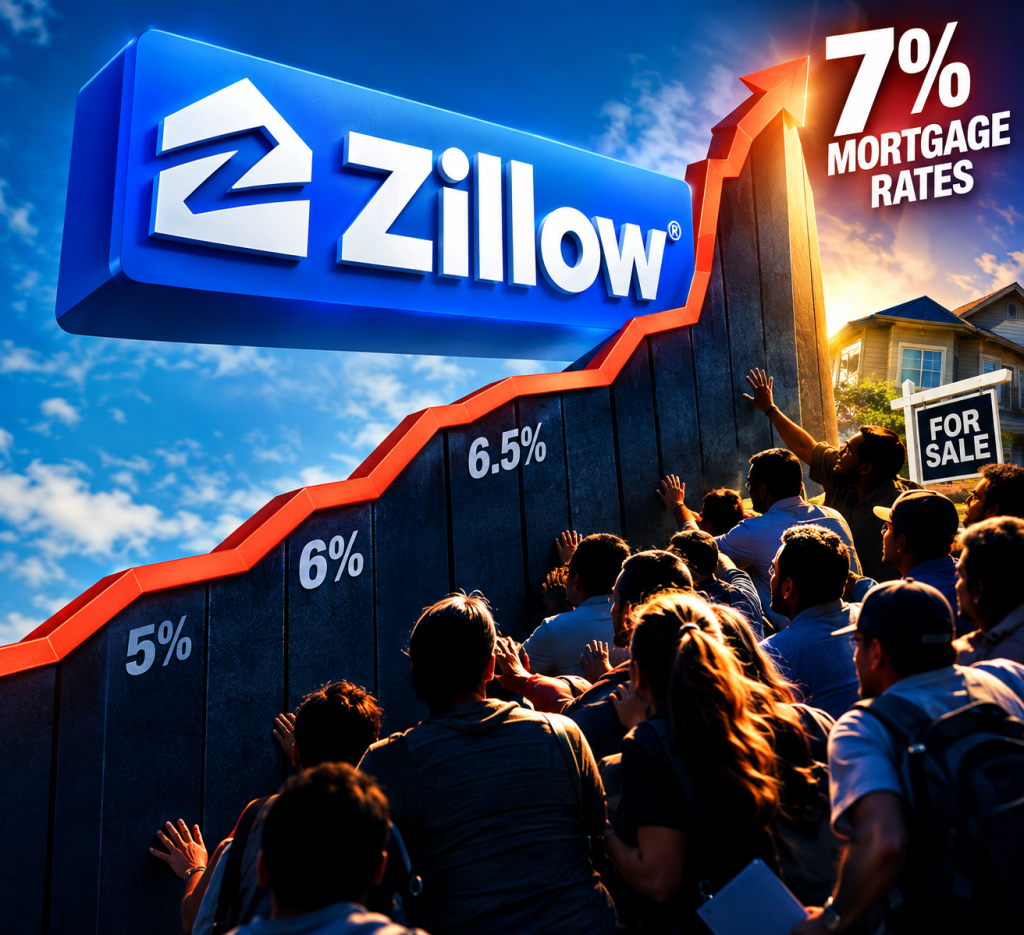
Bank of America just revised its 2026 interest‑rate outlook — and instead of the rate cuts many were expecting, the bank now projects three rate hikes before the end of the year. This shift marks a major change in how financial institutions see the economy, inflation, and the Federal Reserve’s next moves.
For the real estate market, this new forecast isn’t exactly good news. Higher rates affect everything: affordability, lending, investor returns, and property valuations. Here’s a clear breakdown of what this means for buyers, sellers, and investors going into 2026.
1. What Bank of America Changed
Bank of America now expects:
- Three quarter‑point rate hikes
- Likely in September, October, and December 2026
- Driven by strong labor markets, sticky inflation, and a more hawkish Federal Reserve stance
This is a major pivot from earlier expectations of rate cuts — and it sets the tone for a “higher‑for‑longer” rate environment.
2. Why Higher Rates Matter for Real Estate
Interest rates directly influence:
- Mortgage payments
- Buyer affordability
- Investor cap rates
- Commercial valuations
- Builder financing
- Appraisal outcomes
When rates rise, real estate slows. When rates stay high, markets stagnate. When rates rise again, markets feel pressure across every segment.
3. Impact on Homebuyers
Higher rates mean:
- Reduced purchasing power Monthly payments jump, even with small rate increases.
- More buyers priced out FHA and VA buyers feel the squeeze first.
- Shift toward smaller or lower‑priced homes Condos, townhomes, and entry‑level properties become the focus.
- Longer decision cycles Buyers hesitate when affordability worsens.
Bottom line: Buyer demand softens, especially in markets already struggling with affordability — like Phoenix.
4. Impact on Sellers
Sellers face a different challenge:
- Lower demand = fewer showings
- Longer days on market
- More price reductions
- More concessions and closing cost credits
- Harder to move homes above $600k
Many homeowners will simply stay put rather than give up their low‑rate mortgages, keeping inventory tight but slowing actual transaction volume.
5. Impact on Real Estate Investors
Higher interest rates don’t just affect homebuyers — they reshape the entire investment landscape. When borrowing costs rise, investors become more selective and focus heavily on properties that offer strong, reliable cash flow. This shift usually leads to higher cap rates, lower property valuations, and better long‑term buying opportunities for disciplined investors.
Many sellers who are highly leveraged or facing rising expenses may choose to list their properties, creating openings for investors who have been waiting on the sidelines. Rising rates also reduce competition from casual or speculative buyers, allowing serious investors to negotiate more effectively and secure properties at more realistic prices.
In short, while higher rates create challenges for traditional buyers, they often open the door to stronger, more sustainable investment deals for those focused on cash flow and long‑term value.
6. Impact on Commercial Real Estate
Commercial segments feel rate hikes differently:
Multifamily
- Higher cap rates
- Lower valuations
- Slower rent growth
- Developers delay new projects
Industrial
- Still strong, but pricing cools as borrowing costs rise
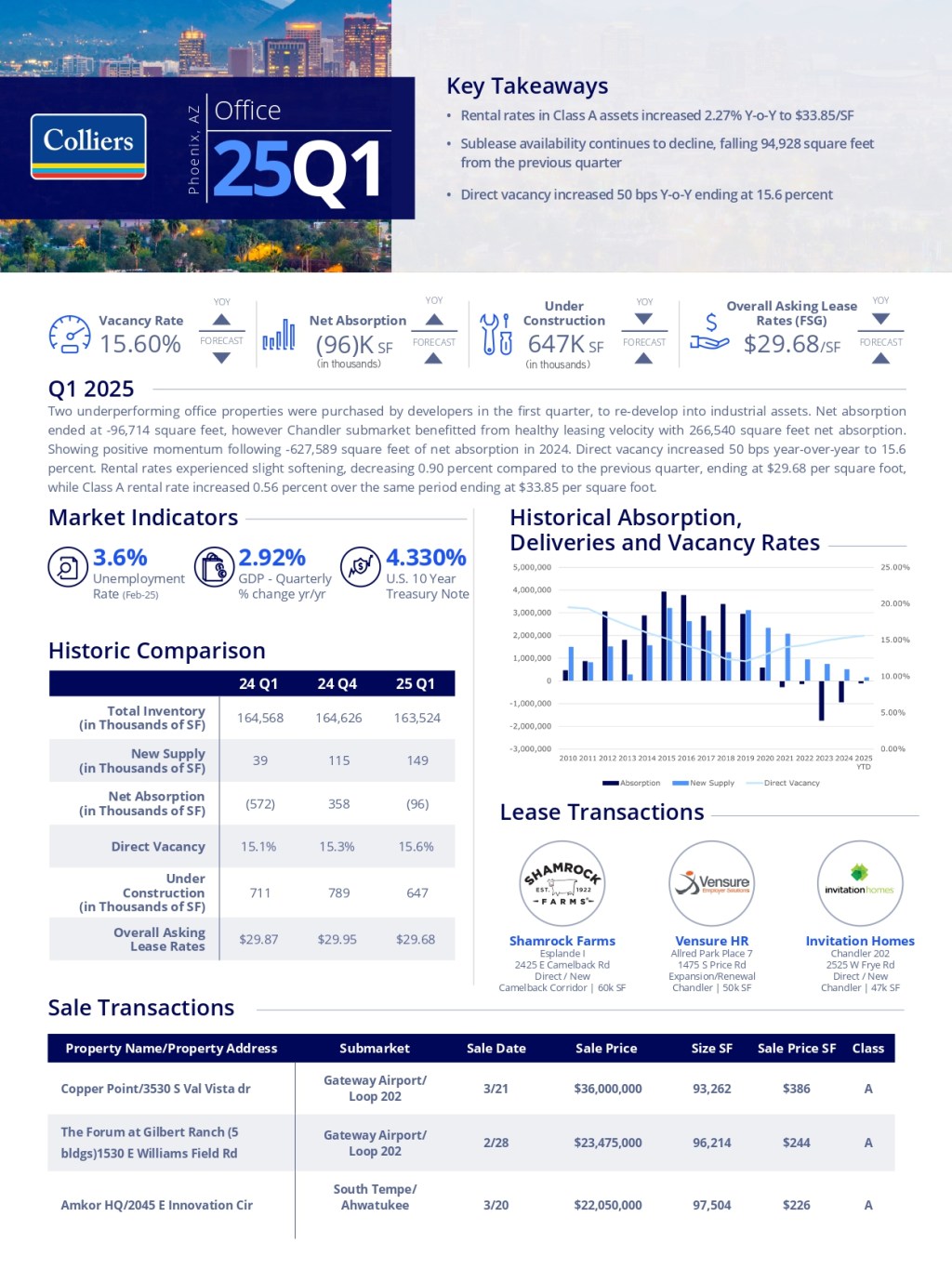
Office
- Already struggling — higher rates worsen valuations
Retail
- Stable, but cap rates still move upward
7. Phoenix & Scottsdale Market Impact
For Arizona specifically:
- Affordability remains a major challenge
- Builder incentives increase instead of lowering prices
- Investor opportunities improve as cap rates rise
- Appreciation slows across most submarkets
- More price reductions in suburban new‑build communities
- Rental demand stays strong, but rent growth moderates
Phoenix becomes a selective buyer’s market for investors and a payment‑shock market for retail buyers.
8. What Buyers & Sellers Should Do Now
Buyers
- Lock rates early
- Consider condos/townhomes
- Negotiate concessions
- Focus on payment, not price
Sellers
- Price realistically
- Expect longer DOM
- Offer credits or rate buydowns
- Prepare for appraisal scrutiny
Investors
- Target yield‑driven deals
- Look for distressed or motivated sellers
- Re‑evaluate cap rate assumptions
- Consider secondary market opportunities
Final Takeaway
Bank of America’s updated 2026 rate forecast signals trouble for traditional buyers and sellers — but it opens the door for disciplined investors who understand cap rates, cash flow, and valuation cycles.
Higher rates don’t kill real estate. They simply shift where the opportunities are.


















Leave a Reply