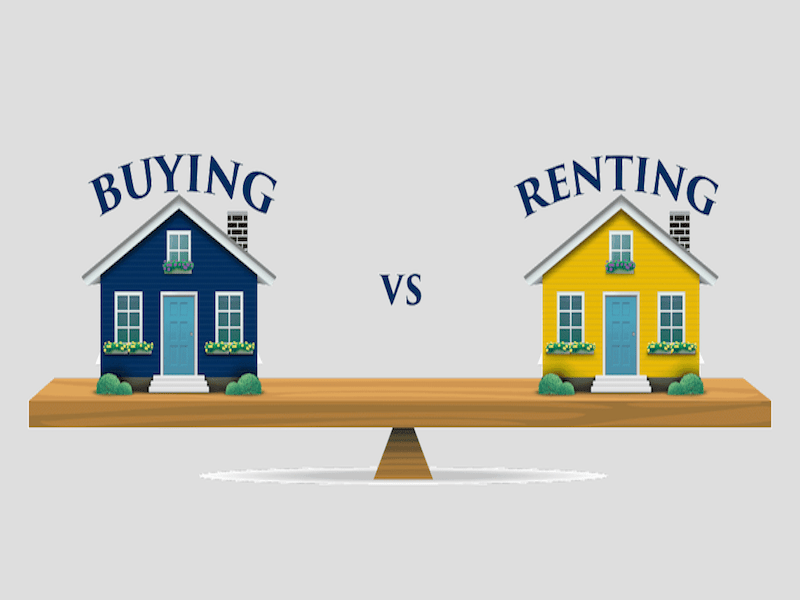
Arizona’s housing market has always moved to its own rhythm, but new Census‑based analysis from PropertyShark shows just how dramatically mobility patterns have shifted across the state between 2019 and 2024. While the national trend is clear — renters are moving nearly four times more often than homeowners — Arizona’s largest cities reveal some of the sharpest contrasts in the country.
From Scottsdale’s renter surge to Chandler’s dramatic slowdown, and from Phoenix’s renter‑driven movement to Mesa and Tucson’s balanced churn, Arizona has become a case study in how economic pressures, mortgage rates, and local housing dynamics shape who moves — and who stays put.
Scottsdale: Renters Are Moving More Than Ever — Owners Aren’t
Scottsdale stands out as one of the most extreme examples in the nation.
- Owner mobility dropped –1.64 percentage points, one of the steepest declines among the 100 largest U.S. cities.
- Renter mobility jumped +3.41 pp, showing renters are significantly more active than homeowners.
This widening gap reflects a classic “lock‑in effect.” Scottsdale homeowners, many holding ultra‑low mortgage rates, are choosing to stay put. Meanwhile, renters — supported by new supply, flexible leases, and Scottsdale’s strong job and lifestyle appeal — continue to move at elevated rates.
Scottsdale’s high home values amplify this divide: buying and selling is expensive, but renting remains fluid.
Chandler: The Sharpest Renter Mobility Decline in the Entire U.S.
On the opposite end of the spectrum sits Chandler — the #1 city in America for the steepest renter mobility decline.
- Renter mobility plunged –7.46 pp, the largest drop among all major U.S. cities.
- Owner mobility also declined –0.4 pp, though more modestly.
Chandler is one of the few cities where both renters and owners are moving less, signaling a market where residents are choosing stability over turnover. Strong employment, rising home prices, and a maturing rental market may be encouraging longer stays.
This makes Chandler a major outlier — and a fascinating contrast to Scottsdale.
Mesa & Tucson: Both Renters and Owners Are Moving More
Mesa and Tucson are among the 23 out of 100 major cities where mobility increased for both groups — a sign of healthy churn and economic activity.
Mesa
- Renters: +1.79 pp
- Owners: +0.98 pp
Tucson
- Renters: +0.84 pp
- Owners: +0.89 pp
These cities benefit from:
- More affordable housing
- Strong in‑migration
- Expanding rental supply
- Active job markets
Unlike Scottsdale or Chandler, both renters and homeowners in Mesa and Tucson are participating in the movement cycle.
Phoenix, Glendale & Gilbert: Owners Move Less, Renters Move More
Three of Arizona’s largest cities follow the most common national pattern: homeowners staying put while renters move more.
Phoenix
- Owners: –0.28 pp
- Renters: +1.73 pp
Phoenix mirrors the national trend almost perfectly. High mortgage rates discourage owners from moving, while renters remain mobile thanks to new supply and shifting affordability.
Glendale
- Owners: –0.43 pp
- Renters: +1.60 pp
Glendale’s renter mobility increase suggests a dynamic rental market, while homeowners remain anchored by rate lock‑in.
Gilbert
- Owners: –0.66 pp
- Renters: +1.07 pp
Gilbert’s strong ownership base and rising home prices contribute to lower owner mobility, while renters continue to move at a steady pace.
Where Investors Should Focus: Follow the Renter Movement
For investors, the clearest signal in this data is where renter mobility is accelerating, because movement drives leasing activity, turnover, and demand for both rental housing and self‑storage. In Arizona, the strongest renter‑driven markets are Scottsdale (+3.41 pp), Phoenix (+1.73 pp), Glendale (+1.60 pp), Mesa (+1.79 pp), Tucson (+0.84 pp), and Gilbert (+1.07 pp). These cities are seeing renters relocate at higher rates, which typically correlates with stronger absorption for new rental units, higher demand for short‑term housing options, and increased need for storage during transitions. Scottsdale leads the pack with one of the largest renter mobility surges in the country, making it a standout for investors targeting high‑turnover, high‑demand submarkets. Phoenix and Mesa also offer compelling opportunities, combining strong renter movement with large, diverse populations and steady in‑migration. Even Tucson — with both renters and owners moving more — presents a balanced, growth‑friendly environment. In short, investors looking for momentum should prioritize the Arizona cities where renters are on the move, because that’s where demand is most active and where new opportunities are emerging fastest.
What’s Driving Arizona’s Mobility Divide?
1. Mortgage Rate Lock‑In
Homeowners across Arizona are holding onto low‑rate mortgages, making them far less likely to move.
2. Renters Have More Flexibility
New rental supply, job changes, and lifestyle shifts keep renters mobile — especially in Scottsdale, Phoenix, and Glendale.
3. Affordability Pressures
Cities like Chandler and Gilbert have seen rising costs, which may be encouraging longer stays among both renters and owners.
4. Local Economic Dynamics
Tech corridors (Chandler), luxury markets (Scottsdale), and high‑growth metros (Phoenix, Mesa) each create different mobility behaviors.
The Bottom Line
Arizona’s mobility patterns are anything but uniform. Instead, the state showcases every major trend happening nationwide — all within a single region:
- Scottsdale: Renters are moving more than ever; owners are staying put.
- Chandler: Both renters and owners are moving less — renters dramatically so.
- Mesa & Tucson: Both groups are moving more, signaling healthy churn.
- Phoenix, Glendale & Gilbert: Renters are driving movement while owners remain anchored.
For real estate professionals, investors, and policymakers, these shifts matter. Mobility drives demand — and in Arizona, that demand is evolving city by city.















 AriZona Real Estate insider
Leave a comment