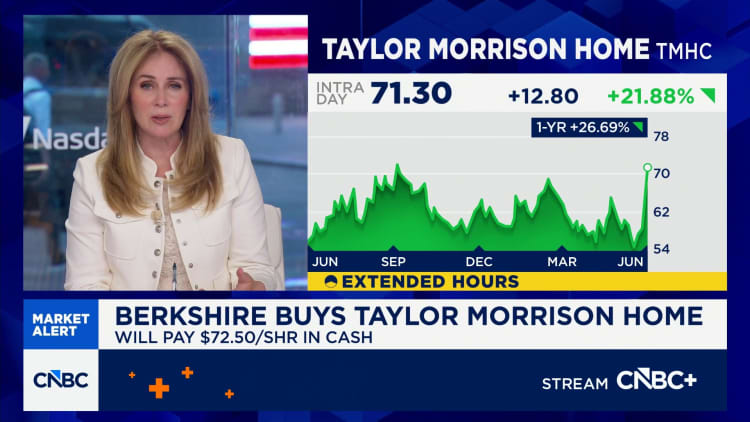
When Berkshire Hathaway makes an $8.5 billion move, the entire real estate world pays attention. And this time, it’s not Warren Buffett making the call — it’s Greg Abel, Berkshire’s new CEO, signaling the beginning of a new leadership era with a bold bet on U.S. housing.
With the acquisition of Taylor Morrison, one of the nation’s largest homebuilders, Abel isn’t just expanding Berkshire’s footprint. He’s sending a message: Housing is a long‑term growth engine, and Berkshire wants a bigger seat at the table.
For Arizona buyers, sellers, and investors, this deal has real implications.
A New CEO, A New Strategy
Greg Abel has always been known as an operator — someone who understands essential industries, long‑term infrastructure, and businesses that survive every economic cycle. Housing fits that mold perfectly.
By acquiring Taylor Morrison, Abel is:
- Strengthening Berkshire’s position in residential construction
- Expanding beyond Clayton Homes and its manufactured housing dominance
- Betting on long‑term U.S. population growth and housing demand
- Signaling confidence in the new‑build sector despite high rates
This is one of the first major acquisitions under his leadership — and it’s a strategic one.
Why Taylor Morrison?
Taylor Morrison isn’t a small regional builder. It’s a national powerhouse with:
- 350+ active communities
- Operations in 21 markets across 12 states
- A strong presence in Phoenix, Scottsdale, Queen Creek, and the East Valley
- Integrated mortgage, title, escrow, and insurance services
For Berkshire, this is a turnkey entry into large‑scale homebuilding.
For buyers, it means something even more important: stability.
What This Means for Arizona Homebuyers
1. More Confidence in New‑Build Supply
Institutional money doesn’t chase short‑term trends. Berkshire’s move signals long‑term belief in:
- Arizona population growth
- Housing demand
- The need for more inventory
This is good news for buyers who’ve been squeezed by low resale supply.
2. Pricing Stability Over Time
Taylor Morrison will now be privately held — no quarterly earnings pressure, no Wall Street expectations.
That usually means:
- Less volatility in pricing
- More predictable incentives
- A focus on long‑term brand reputation, not short‑term margins
Buyers may see steadier pricing and more consistent build timelines.
3. Stronger Builder Incentives
Big builders with strong balance sheets can offer:
- Rate buydowns
- Closing cost credits
- Design center incentives
With Berkshire behind them, Taylor Morrison has even more financial muscle to compete in the Phoenix market.
4. Better Build Quality and Customer Experience
Berkshire’s culture is built on:
- Long‑term ownership
- High‑quality operations
- Strong management teams
Taylor Morrison’s leadership is staying in place — but now they have Berkshire’s resources behind them. That combination often leads to improvements in:
- Warranty service
- Build consistency
- Customer satisfaction
What This Means for Sellers
Sellers should pay attention too.
More new‑build supply means:
- Increased competition for resale homes
- Pressure on older homes that need updates
- A shift in buyer preference toward turnkey options
But it also means:
- A healthier, more balanced market
- Less fear of runaway price spikes
- More predictable demand cycles
What This Means for Investors
This is where the Greg Abel angle really matters.
Berkshire is signaling:
- Housing is undervalued relative to long‑term demand
- Institutional capital is moving into homebuilding
- The U.S. is structurally undersupplied for years to come
For investors, this reinforces:
- Build‑to‑rent demand
- Long‑term appreciation in growth markets like Phoenix
- The durability of housing as an asset class
The Bottom Line
Greg Abel’s first major acquisition as Berkshire’s CEO isn’t random — it’s strategic. It’s a long‑term bet on:
- U.S. housing
- Population growth
- The need for more new‑build inventory
- Markets like Arizona that continue to attract buyers nationwide
For everyday buyers, this means more stability, more supply, and more confidence in the future of new construction.
For investors, it’s a clear signal: Smart money is doubling down on housing — and Arizona is right in the center of that story.




















Leave a Reply