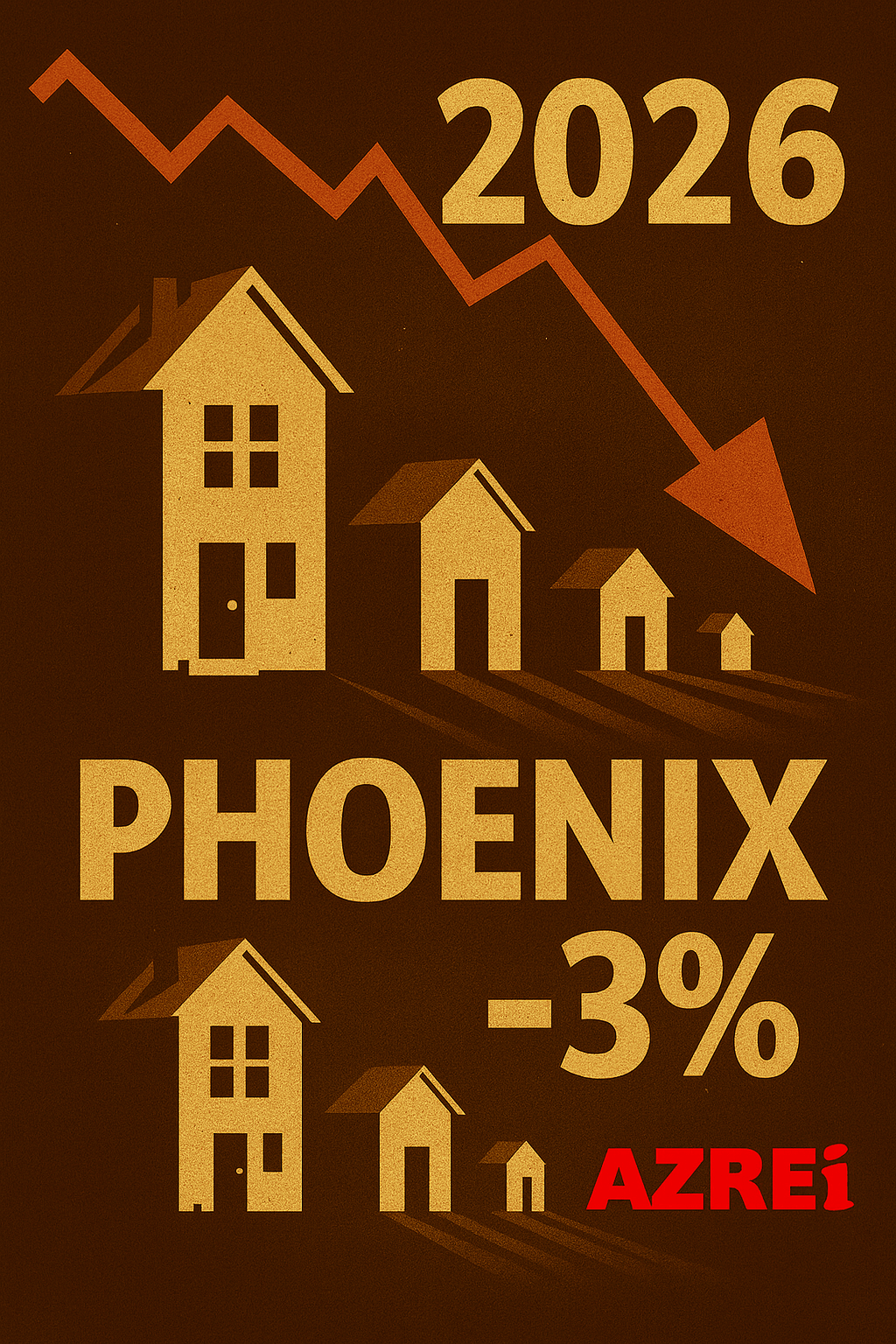
According to the ARCHES 2025 State of Housing in Arizona reportfrom ASU’s Morrison Institute and UA’s Drachman Institute, our housing market has hit a breaking point. Renters and homeowners are stretched to the brink, eviction filings are spiking, and homelessness is climbing—all while population growth accelerates. Buckle up: this isn’t pretty, but it’s the truth you need to see.
Buyers: “You’re Not Crazy—It Really Is That Bad”
Key Findings
- $450,000 average single-family home price in Phoenix
- ~7% mortgage rates for a 30-year fixed loan
- 52,920 new homes built in 2023, but 80% are single-family
Homeownership has morphed into an exclusive club. The average Phoenix buyer faces sky-high prices and interest rates that eat into any hope of steady monthly payments. Meanwhile, new construction barely scratches the surface of what middle- and modest-income families can actually afford. No wonder competition is fierce and starter homes are all but extinct.
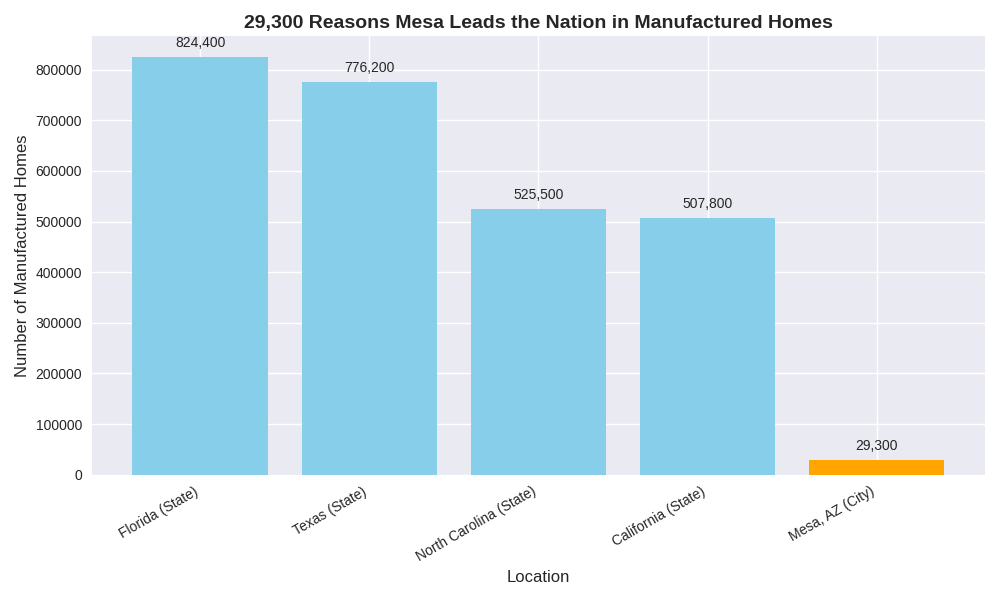
To navigate this, creative strategies are a must. Consider co-buying with family or close friends to pool down-payments and qualify for better rates. Manufactured home communities backed by Freddie Mac offer lower initial costs and more predictable payment structures. And don’t overlook secondary markets—Flagstaff’s fringes, Eloy’s outskirts, and parts of Tucson are quietly offering value that Phoenix can’t match.
I had a client who purchased his home with his sister, and they’re paying around $3K a month—that’s for a F**KEN home priced below $400K!
Sellers: “You’re Not Sitting on Gold—You’re Sitting on a Landmine”
Key Findings
- Inventory up across Maricopa County
- Days on market increasing in Phoenix and Tucson
- Out-of-state buyers now account for only 11% of purchases
The frenzy has fizzled. Listings that seemed sure to fly off the MLS are now lingering, as buyers demand inspections, credits, and realistic pricing. Out-of-state investors have largely retreated, meaning Arizona sellers are back to competing for a smaller pool of local buyers.
Sellers need a data-driven approach. Skip the wild Zestimate and lean on a local appraisal or comprehensive CMA. Invest in professional (OR VIRTUAL) staging—it pays off by grabbing buyer attention in virtual tours (VIRTUAL STAGING) and open houses. Sweeten deals with inspection credits, flexible closing dates, rate buydowns (builders are doing it) or even staging furniture rentals. In a cooling market, standing out isn’t optional—it’s essential.
Policy & The System: “Why Builders, Zoning, and Policy Are Failing Us”
Key Findings
- Only 37 affordable units available per 100 low-income households
- Zoning rules still choke off ADUs and multi-family developments
- Parking minimums and height caps stifle higher-density projects
Record homebuilding numbers conceal a stark truth: almost none of those units serve renters or moderate-income families. Regulatory hurdles—from parking mandates to NIMBY-driven height limits—keep accessory dwelling units and mixed-use developments trapped on the drawing board. Without policy reform, supply will never match demand, and affordability will only worsen.
Municipal leaders must overhaul zoning to embrace gentle density—think detached ADUs, duplex allowances, and reduced parking requirements. Streamlined permitting and incentive-based affordable housing programs can kick-start projects that finally meet the needs of working households.
What’s Next—and What You Can Actually Do
Key Findings
- Arizona population hit 7.62 million in 2024; 10.7 million projected by 2060
- Residents aged 65+ grew 41% since 2010
- Hispanic, Black, and Asian communities expanding rapidly
Arizona’s demographic boom shows no sign of slowing. Aging populations will fuel demand for accessible housing, while diverse communities need culturally and financially inclusive development. The current market won’t self-correct—it requires coordinated action from buyers, sellers, investors, and policymakers.
Buyers, explore rent-to-own or co-housing models to lock in affordability. Sellers, lean on data-backed pricing and high-impact staging to stay competitive. Investors, champion projects that blend market-rate and affordable units. And policymakers, push for zoning reforms and ADU incentives that accelerate supply.
This isn’t about tweaking margins—it’s about ensuring every Arizonan has a shot at stable housing. Stay tuned to AZREInsider for deeper data dives, unfiltered analysis, and action-ready playbooks that cut through the noise and drive real change.












 AriZona Real Estate insider!
Leave a comment