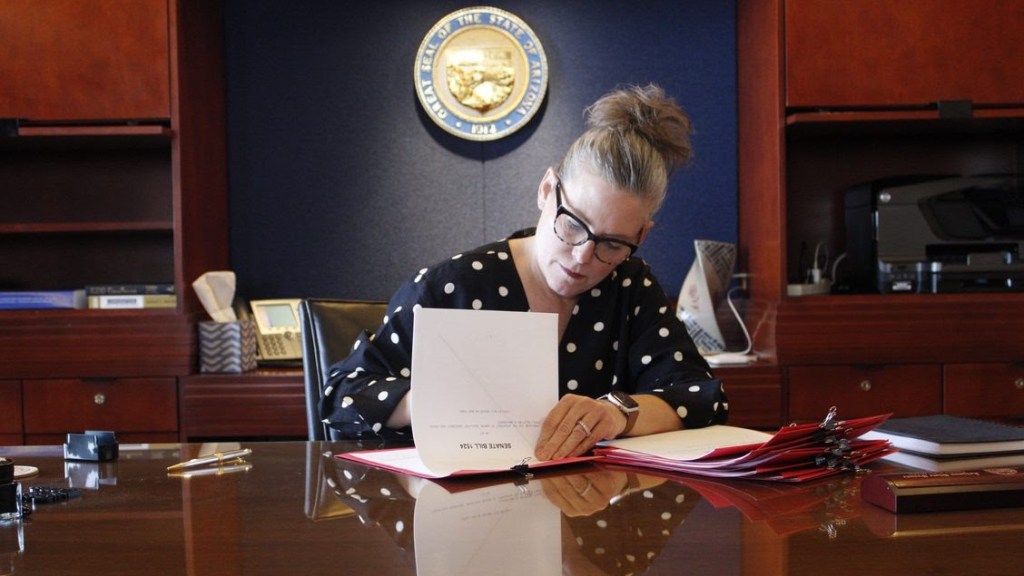
Big news for Arizona real estate! Governor Katie Hobbs officially signed House Bill 2110 (HB 2110) into law this April, and if you’re in the world of real estate—whether residential or commercial—you need to pay attention.
This bill could be a total game changer. Why? Because it opens the door to repurpose underutilized commercial buildings and convert them into housing, especially multifamily projects. That means new opportunities for investors, developers, homeowners, renters, and real estate professionals alike.
What Is HB 2110?
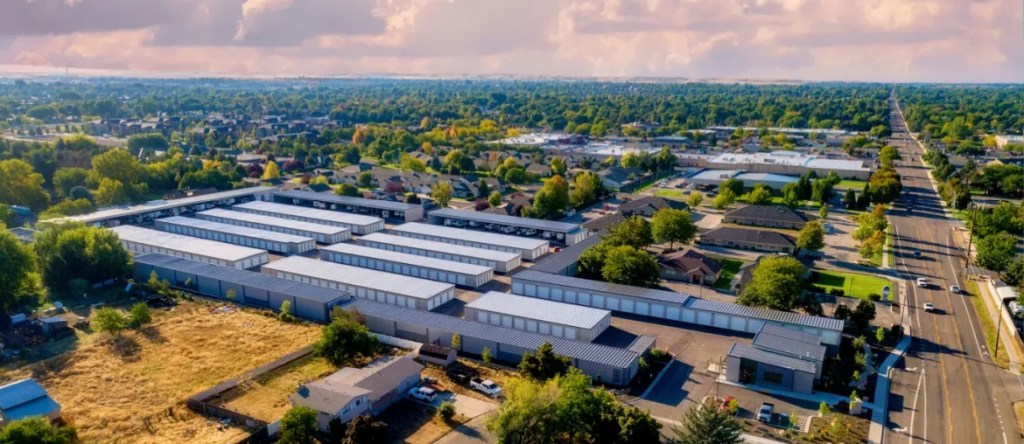
HB 2110 is legislation that aims to address Arizona’s housing shortage by allowing and even encouraging the adaptive reuse of commercial buildings for residential purposes. That means converting old strip malls, empty office buildings, or unused retail centers into apartments or condos.
The law specifically applies to Arizona cities with populations over 150,000 (like Phoenix, Tucson, Mesa, Chandler, and Scottsdale), requiring them to:
- Create clear, objective standards for adaptive reuse.
- Designate at least 10% of commercial, office, or mixed-use parcels for these projects.
- Skip lengthy rezoning or public hearing processes for eligible developments (source).
Key Benefits to Commercial Real Estate
1. New Life for Struggling Assets
If you own or invest in underperforming commercial properties, this bill gives you a potential exit or pivot strategy. Instead of trying to fill empty storefronts or outdated offices, you can now repurpose them into residential units without jumping through the usual bureaucratic hoops.
2. Faster Development Timeline
By removing the need for rezoning and public hearings, developers can move faster and with less risk, which means more deals, quicker turnaround, and potentially higher returns.
3. Shift in Investment Strategy
We may start to see more investors specifically targeting C-class retail or office spaces with adaptive reuse in mind. Expect increased demand for these types of properties in the right zoning and demographic areas.
Benefits to Residential Real Estate
1. More Housing Supply
Arizona’s housing market—especially in Phoenix and the Valley—has been grappling with low inventory. HB 2110 helps ease that by encouraging infill development without needing new land.
2. Affordable Housing Boost
At least 10% of new units must be designated for moderate- or low-income residents, and they must stay affordable for at least 20 years. That’s great news for renters and first-time buyers who have been priced out of many areas.
3. Urban Revitalization
This law helps breathe life into parts of the city that have been sitting idle. Think dead malls, vacant office parks, and half-used retail strips turning into vibrant apartment communities with walkability and access to jobs.
A Strategic Opportunity for Investors and Buyers
If you’re an investor, flipper, or even a creative buyer looking for unique opportunities, HB 2110 opens a whole new lane. Consider acquiring distressed or underused commercial properties (like strip malls, outdated office parks, or vacant retail centers) with the specific intention to convert them into multifamily or mixed-use housing.
These properties, often overlooked in the past, now hold significant upside potential. With zoning and permitting hurdles reduced, you can add value, repurpose for community needs, and potentially earn higher returns.
Even residential buyers can benefit from this line of thinking. Pooling resources with partners to acquire and redevelop commercial properties could be a new, innovative way to get into the real estate game—especially in a tight inventory market.
Just make sure to work with your real estate agent, legal advisor, and local officials to verify eligibility and requirements.
A Few Limits to Know
- Properties near airports, military bases, or in historic districts are generally excluded.
- There are height restrictions near single-family homes (two stories max within 100 feet).
- The new rules apply only to cities over 150,000 population.
Final Thoughts
Whether you’re a developer looking for your next project, a broker guiding investors, or a homeowner wondering how your neighborhood might change, HB 2110 is worth keeping on your radar. It simplifies the process, expands opportunity, and aims to tackle the housing crisis without expanding our cities outward.
This isn’t just another zoning tweak—it’s a smart, bold step toward modernizing Arizona real estate.
For the full bill text, visit the Arizona Legislature’s website.
— Written by Juan Pesqueira, Arizona Real Estate Insider. Stay updated at AZREinsider.com.
Disclaimer: This article is for informational purposes only and should not be considered legal advice. Real estate laws and regulations can be complex and subject to change. If you are considering a development project, property conversion, or have legal questions regarding HB 2110 or any other real estate matter, it is strongly recommended that you consult with a qualified real estate attorney or legal professional.










 AriZona Real Estate insider!
Leave a comment