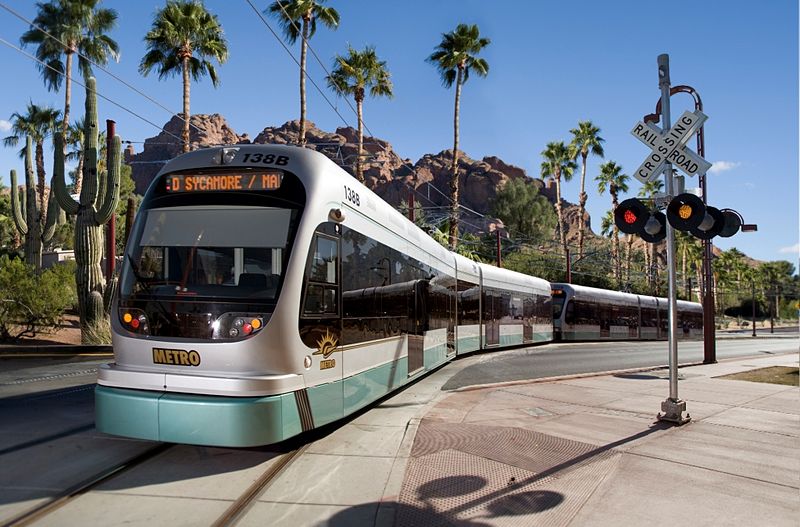
Let’s face it — Phoenix was built for cars. Nearly 93% of commuters here drive to work. But there’s a financial downside to all that driving that most people overlook: it’s costing renters more than $7,000 per year.
According to a new analysis by our friends at Point2Homes, Phoenix renters who swap out the car keys for a transit pass could save more than $6,300 annually. For a household earning Phoenix’s median renter income of $55,306, that’s over 11% of their income — roughly a full month’s paycheck.
That kind of savings isn’t pocket change. It’s rent. It’s a down payment. It’s breathing room in a market that’s getting tougher by the year.
🚗 Driving vs. Riding — The Cost Breakdown:
- Average car commute in Phoenix: $7,000+ per year
- Public transportation: $768 per year
- Potential savings: $6,300+
- Time difference: Driving saves ~41 minutes/day (or 7 full days/year)
Yes, driving is faster — but the price of that speed adds up fast. And when it comes to budgeting in today’s economy, time isn’t always more valuable than money.
Below is a map of the best cities for saving time on your commute — and Phoenix ranked #6.

🧾 Why Don’t More People Use Transit?
Here’s the twist: only 3.4% of Phoenix renters actually use public transit — even though the math clearly favors it.
Why? Because Phoenix’s transit infrastructure is still catching up. The Valley is massive and spread out, and not everyone lives near a light rail stop or has an easy bus route to work.
Still, that’s slowly changing — and so are people’s lifestyles.
🏙️ No Car? No Problem — Tempe’s Culdesac Community Leads the Way
Think going car-free in Arizona sounds crazy? Tell that to the people living at Culdesac Tempe, the first fully car-free neighborhood built from scratch in the U.S.
Located near the Smith-Martin/Apache station light rail stop, this innovative community is designed so residents never need to own a car. Instead, they have:
- Shops, dining, and coworking spaces on-site
- Access to bikes, scooters, ride-shares, and light rail
- Car-share programs for when they absolutely need a vehicle
- A walkable, human-scale design that brings back a true neighborhood feel
Culdesac isn’t just a trendy concept — it’s a glimpse into how future communities in the Valley might rethink space, convenience, and affordability. And for renters looking to cut costs while maintaining a high-quality lifestyle, it could be a blueprint.
🏡 Real Estate Takeaway
Whether you’re renting, buying, or investing, commute costs should be part of your real estate equation. That home on the outskirts of town might come with lower rent or a cheaper mortgage — but it could also carry thousands in hidden transportation expenses, not to mention the toll on your time and sanity.
Take my brother, for example. He lives in Tempe and commutes every day to the UPS Hub in Goodyear — a 45-minute drive on a good day, longer with traffic. And let me tell you, he f*ing hates it**. The only reason he hasn’t moved closer is because he bought his home back in 2010, when they were practically giving houses away. He landed in a beautiful neighborhood at a steal, and that’s the only thing keeping him from selling and relocating to Goodyear.
The point? Your daily drive can make or break how much you actually enjoy your home — and how much value you’re truly getting out of it.
Living near a light rail stop, in central Phoenix, or in a walkable condo community may cost a bit more upfront — but could save you thousands over time, both financially and emotionally. And if you’re investing, rentals near transit or job hubs might become more attractive as affordability tightens and commuting frustrations grow.
💡 Final Thought
In Phoenix, convenience often means cars — but that convenience comes at a high price. As the Valley continues to grow and evolve, car-free or car-light lifestyles are no longer just wishful thinking. They’re financially smart, increasingly possible, and already happening in places like Tempe.
You don’t have to sell your car tomorrow — but it might be time to start running the numbers.
📊 Want to dig deeper? Check out the full Point2Homes study with interactive visuals here.








 AriZona Real Estate insider!
Leave a comment