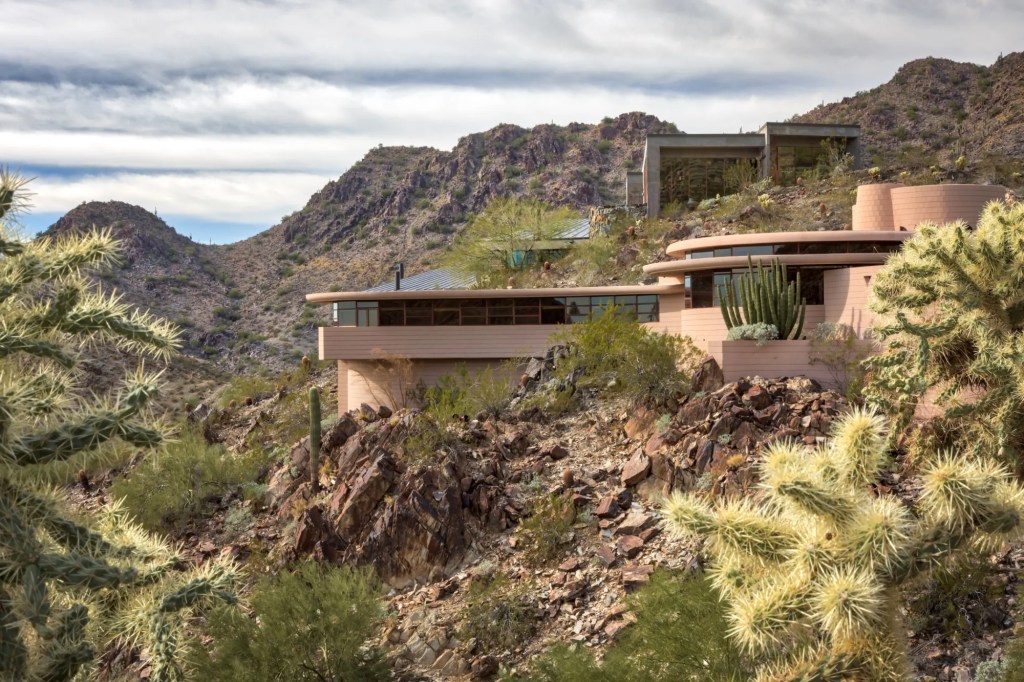
Inspired by Bloomberg’s “Phoenix Can Learn From Frank Lloyd Wright’s Desert Architecture” – March 2025
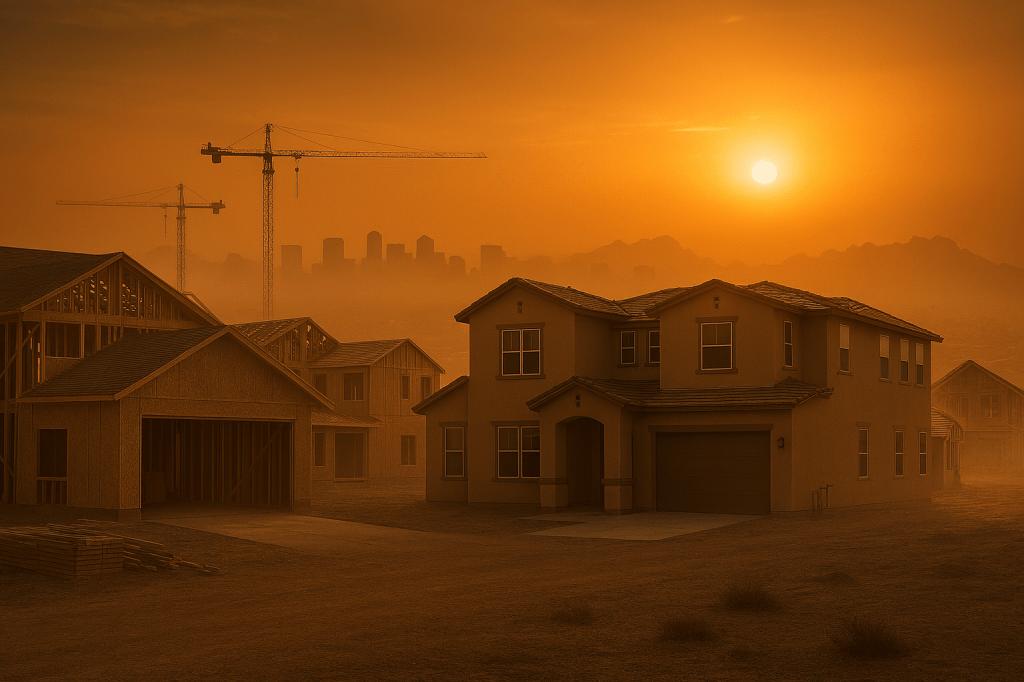
Let’s talk about something that hits close to home—literally. Phoenix is booming. Cranes in the air, subdivisions spreading like mesquite, and luxury builds popping up faster than you can say “triple-digit temps.” But here’s the real question: Are we building the right way for the desert we live in?
Bloomberg recently dropped an article that got my gears turning. It’s all about how Phoenix, and the Valley as a whole, could take a few notes from Frank Lloyd Wright—the O.G. of desert architecture. And honestly? They’re not wrong.
🌵 The Desert Isn’t Just a Backdrop—It’s a Factor
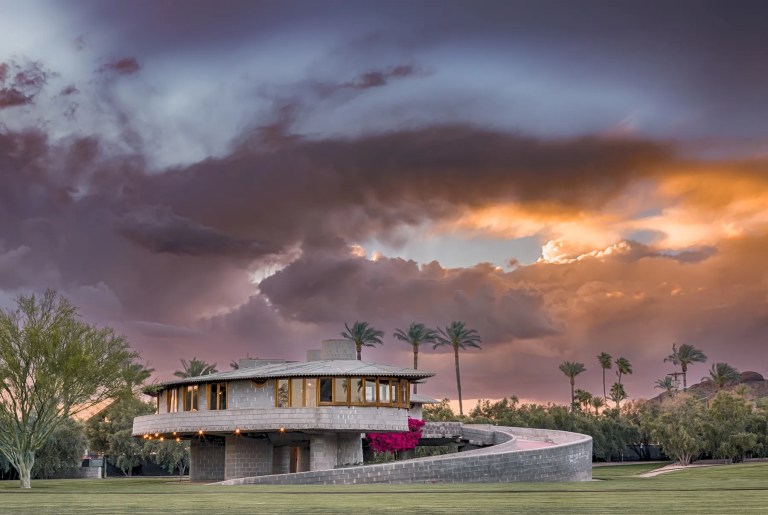
Frank Lloyd Wright didn’t just build in the desert—he respected it. His designs like Taliesin West weren’t about conquering the Sonoran heat but working with it. Thick walls, natural ventilation, deep overhangs, locally sourced materials—basically, sustainable before it was cool.
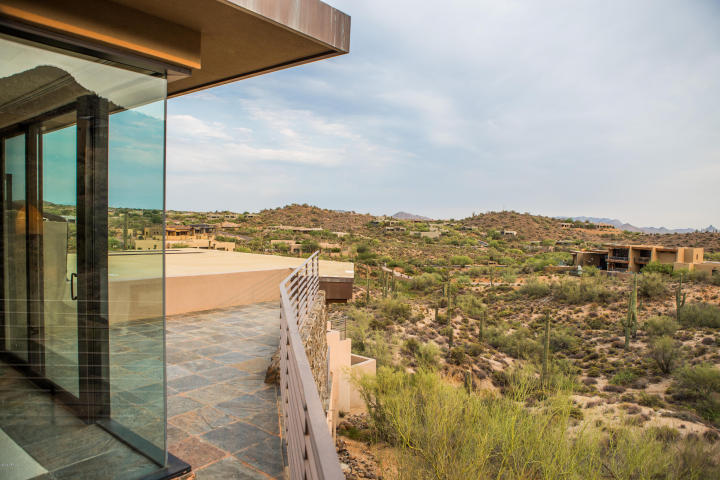
Compare that to today’s modern builds. Glass-heavy facades, black rooftops baking under the sun, and layouts that could just as easily be in Florida or Minnesota. We’re fighting the desert instead of flowing with it.
🏘️ Developers: Let’s Talk Real Architecture, Not Just Real Estate
Instead of cranking out the same cookie-cutter frame-stucco-tile boxes we see from Buckeye to Queen Creek, how about something with actual style? This is the Southwest—we’ve got architectural heritage for days. Where’s the Desert Modern, the Pueblo Revival, the Mid-Century gems with breeze blocks and clerestory windows? Or hell, bring back Territorial style with a 2025 update.
Think:
- Shaded courtyards that create microclimates
- Water-harvesting roofs that do more than just look good
- Adobe-style insulation or rammed earth walls that breathe with the climate
- Deep overhangs, natural materials, soft, earthy tones that blend with the desert instead of clashing with it
These aren’t just design choices—they’re smart investments. Buyers notice when a home feels intentional, rooted in place, and built to last. You get lower energy bills, better comfort, and a home that actually fits its environment. And the resale value? Way up. People pay for personality and performance.
🔥 Climate Change Isn’t Theoretical—It’s on the Thermostat
We’re seeing more 115°+ days every summer. Building the way we’ve always built is going to cost us—literally—in cooling bills, grid strain, and liveability. This is bigger than curb appeal—it’s survival. It’s quality of life.
If Phoenix wants to keep attracting talent, growth, and long-term investment, we’ve got to make it a city that works in the desert. Not just a city that looks cool on Instagram.
💰 I Get It—But Here’s the Thing…
Now, I get it—what I’m asking for isn’t cheap. Custom architecture, higher-end materials, smarter design… yeah, it’s gonna cost more. But you know what I constantly hear from buyers and new home clients?
“I don’t mind paying more—if it’s something that truly stands out.”
Or my personal favorite: “If my wife wants it, we’re buying it.” 😅
People are willing to spend the money when the home speaks to them. Not when it looks like 100 others down the street.
And here’s an idea for luxury home builders: how about leaving a few lots open in these $2M–$5M developments so buyers can bring in their architect and build from scratch? Total custom. Let them bring their dream to life instead of forcing the same recycled “modern” box with the black windows and white stucco we’ve seen 10,000 times already.
Because seriously—when I’m dropping a few million, I don’t want my home to look like everyone else’s. And trying to ask a builder to change the design? It’s like pulling f***ing teeth. There’s no flexibility, no creativity, no soul.
We can do better. We should do better.
If you’re still with me—props. Now go check out the Bloomberg piece that kicked this whole thing off. It’s actually legit:
👉 Phoenix Can Learn From Frank Lloyd Wright’s Desert Architecture








 AriZona Real Estate insider!
Leave a comment