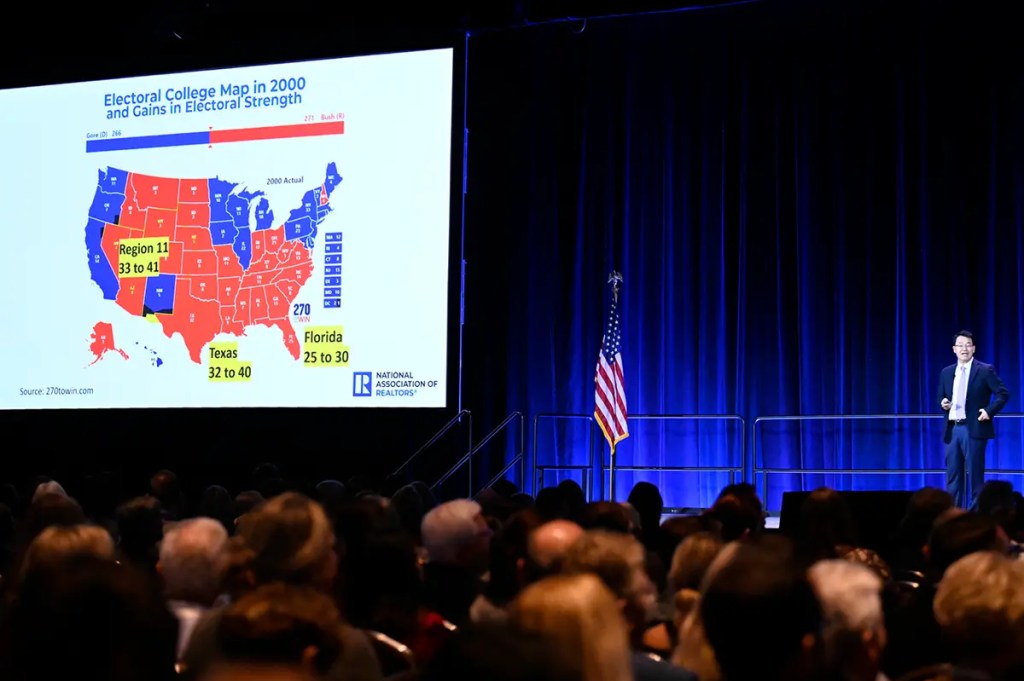
At the recent NAR Residential Economic Issues and Trends Forum, NAR Chief Economist Lawrence Yun offered an outlook for the real estate market that suggests smoother sailing ahead for both homebuyers and sellers. If you’ve been navigating the rough waters of recent years, with stubbornly high mortgage rates and limited inventory, Yun’s forecast may provide a much-needed dose of optimism.
Higher Home Sales and a Return to Lower Mortgage Rates
Yun predicts a 9% increase in home sales for 2025, followed by a 13% boost in 2026—a welcome shift after a slow 2023 and 2024. While mortgage rates likely won’t return to the record lows we saw a few years ago, he foresees a stabilization around 6% in the coming years. This potential “new normal” could be the sweet spot, balancing buyer affordability with a steadying market. Yun even suggests several rate cuts coming in 2025, which could help those currently priced out of the market.
Building Wealth through Homeownership
For those questioning the long-term value of homeownership, Yun’s data is compelling. Homeowners’ median net worth has reached $415,000, compared to just $10,000 for renters. Yun highlights the fact that homeownership is a powerful wealth-building tool, with real estate equity at a record high, currently estimated at $35 trillion. This data underscores the lasting financial impact Realtors® provide by guiding clients toward homeownership.
Addressing Supply Shortages and Rising Demand
A common theme in recent years has been the scarcity of available homes, but Yun believes the worst of the inventory crisis is coming to an end. Continued job growth—a positive consequence of the post-COVID economy—means more people are financially positioned to enter the housing market. However, the low homeownership rate among younger Americans and challenges for first-time buyers remain issues.
For those contemplating an entry into the real estate market, the message is clear: entering sooner rather than later can lead to greater wealth accumulation over time. With rates projected to stabilize, the environment may become friendlier for buyers who’ve been on the sidelines.
The Broader Economic Impact and Challenges Ahead
Yun acknowledges that budget deficits and an optimistic stock market will impact the housing market, and government borrowing may limit mortgage money availability. However, if the federal administration can credibly address the budget deficit, Yun believes mortgage rates could further ease, helping affordability.
Looking Ahead: A Market Poised for Growth
If Yun’s projections come to fruition, the real estate landscape in Phoenix and beyond may look very different in a few years. Stabilizing rates, increased inventory, and a more balanced market could create the conditions buyers and sellers have been waiting for. As always, these conditions also underscore the importance of working with a knowledgeable Realtor® who can provide guidance and insight in a changing market.
For Phoenix and Arizona homeowners, this means opportunities to build wealth, make strategic investments, and ultimately, realize the intangible benefits of homeownership. 2025 and beyond might finally bring the positive shifts we’ve been hoping for—whether you’re buying, selling, or investing, staying informed and connected can help you make the most of these changes.
Although we hope this forecast comes true, we remain skeptical. When Yun took the stage at this event in 2023, he predicted even more optimistic figures: a 13% increase in existing home sales and a 19% jump in new home sales for 2024. However, those projections relied in part on easing inflation, which would’ve brought mortgage rates down to around 6% by spring. Instead, inflation surged higher than anticipated, driving rates up through March and April, reaching a peak of 7.22% in early May. This is why we often say forecasts are a guide, not a guarantee. Use them to establish baseline expectations but be prepared to adjust to real-world data.











 AriZona Real Estate insider!
Leave a comment