In a state known for its expansive deserts and sun-soaked landscapes, Arizona is facing a crisis that is casting a long shadow over its future: affordable housing. A recent report from Arizona State University (ASU), authored by Mary Beth Faller, sheds light on this critical issue, revealing a sharp 72% increase in rent prices from 2010 to 2022, making homeownership a distant dream for many Arizonans. As the state grapples with these challenges, additional concerns around water supply and energy grid stability further complicate the housing landscape.
Key Findings from ASU’s Report
The “State of Housing in Arizona Report,” produced by the Arizona Research Center for Housing Equity and Sustainability, details several alarming trends:
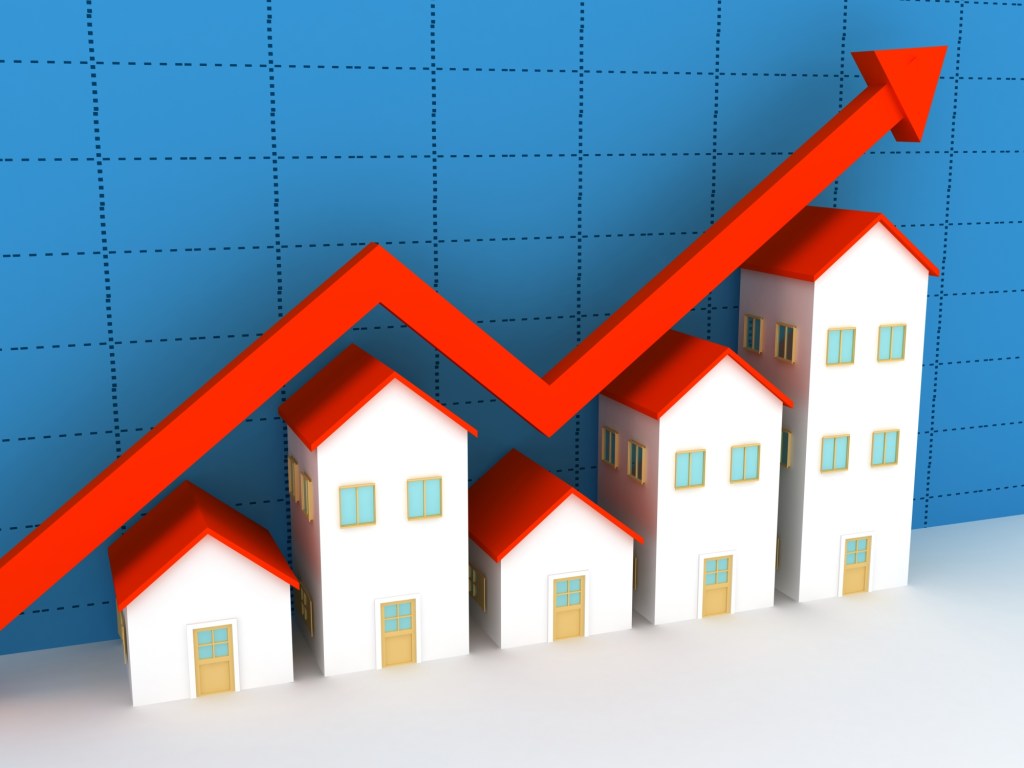
- Rent Prices and Homeownership: With rent prices skyrocketing and home values increasing by 57% from 2019 to 2023, affordable housing is slipping out of reach for many. The median sale price of a home now sits at $423,400, making it increasingly difficult for first-time buyers to enter the market.
- Income Disparities: The report highlights that incomes have not kept pace with housing costs, leaving many renters and potential homeowners struggling. Minimum wage workers, for example, would need to work 86 hours per week to afford a two-bedroom home.
- Housing Supply: Arizona’s population has grown by 22% since 2010, but the housing supply has only increased by about 12%. This imbalance has exacerbated the affordability crisis, with many Arizonans facing housing insecurity.
Water Supply and Housing Development: A Complex Challenge
One of the most pressing issues tied to Arizona’s housing market is the state’s water supply. Sarah Porter, director of the Kyl Center for Water Policy at ASU, emphasized at the Morrison Institute’s recent summit that while Arizona isn’t running out of water for housing, the situation is complex. Groundwater, a non-renewable resource, is a critical factor in new housing developments, particularly in rapidly growing areas like Buckeye and Queen Creek.
For those looking to buy in Arizona, the availability of water is not just a logistical concern but a key factor in determining where and how development can proceed. As the state continues to grow, increased housing density—through options like duplexes and multifamily units—could help alleviate some pressure on water resources by enabling more efficient use and recycling of water within developed areas.
The Power Grid and Economic Growth
Another concern for potential homebuyers is the stability of Arizona’s power grid. Ted Geisler, president of Arizona Public Service, noted that electricity demand is expected to grow by at least 40% by 2031, driven by higher temperatures, more electric vehicles, and increased industrial activity. As the state attracts more businesses and residents, the strain on the power grid could impact the reliability and affordability of electricity—a critical consideration for those moving to the area.
What This Means for Today’s Housing Market
For those considering purchasing a home in Arizona, understanding these intertwined issues is essential. The state’s housing market is not just about finding a place to live—it’s about navigating the complexities of water availability, energy reliability, and the ongoing challenge of affordability. Buyers need to be aware of how these factors might influence property values, development opportunities, and long-term livability.
If you’re looking to buy in Arizona, it’s crucial to consider the broader context of these challenges. While the state’s growth presents opportunities, it also demands careful planning and informed decision-making. Whether you’re drawn to the vibrant communities of Phoenix, Scottsdale, or Tempe, or the burgeoning areas on the outskirts, understanding the impact of water and energy issues on housing is key to making a smart investment.
Moving Forward: A Call for Strategic Growth
The ASU report underscores the need for strategic growth and strong leadership in addressing Arizona’s housing crisis. As the state continues to evolve, the balance between development, resource management, and affordability will be critical. For those concerned about the future—whether you’re a current resident, a potential buyer, or a policymaker—engaging with these issues is vital for ensuring that Arizona remains a desirable place to live, work, and thrive.
Bottom Line: When I first took my real estate classes back in 2004, I remember the instructor mentioning water issues in Arizona, and we all kind of laughed it off at the time. In hindsight, the fact that it was even brought up should have made us stop and think. Now, water is an everyday topic of discussion, especially for those looking to buy a home here. Just recently, I was working with a family relocating to Phoenix, Arizona (area), and one of their main concerns was the water supply. Unfortunately, I’m not an expert on water issues, so I can only suggest that clients do their own research. But it’s telling that cities like Mesa, Gilbert, and Queen Creek are no longer allowing grass and are pushing for desert landscaping, even offering incentives if you switch from grass to desert. This is something to seriously consider when thinking about moving to or investing in the valley of the sun.
Check out this insightful video from the Morrison Institute: Myths and Challenges in Arizona Housing.









 AriZona Real Estate insider!
Leave a comment