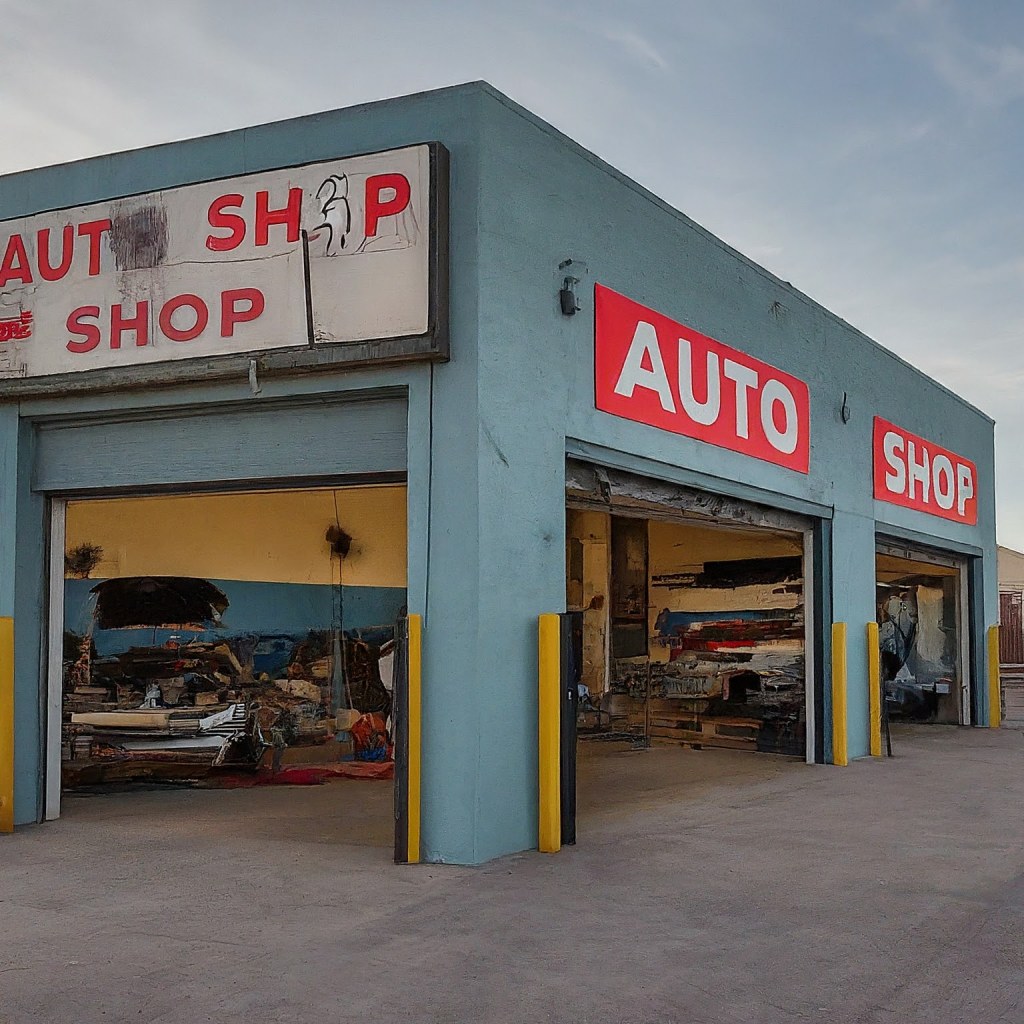
Selling a commercial property in the Phoenix, Scottsdale, Tempe, Mesa area is a whole different ball game compared to selling a house. Whether you’re offloading an office building, a retail space, auto shop, church, or an industrial property, the process can be complex and requires a strategic approach. Here are some key things you need to know from an experienced commercial real estate agent:
1. Understand the Market Dynamics
The commercial real estate market operates differently from the residential market. It’s driven by factors like business growth, economic trends, and zoning laws. In the Phoenix-Scottsdale-Tempe area, each city has its own market dynamics. Scottsdale, for instance, might have more demand for luxury office spaces, while Tempe could see higher interest in retail properties due to its vibrant university environment.
2. Valuation is More Complex
Unlike residential properties, which are often valued based on comparable sales, commercial properties are evaluated based on their income potential and return on investment (ROI). This means you’ll need to have detailed financial records, including profit and loss statements, rent rolls, and expense reports. Working with a professional appraiser who specializes in commercial properties can help you get an accurate valuation.
3. Longer Selling Process
Selling a commercial property typically takes longer than selling a house. The pool of potential buyers is smaller, and the due diligence process is more thorough. Buyers will scrutinize financials, conduct property inspections, and review zoning regulations. Be prepared for a longer timeline and ensure your property is in top shape to attract serious buyers.
4. Marketing Requires a Targeted Approach
Marketing a commercial property is different from marketing a home. It involves reaching out to a niche audience that includes investors, business owners, and commercial real estate brokers. Utilizing commercial real estate platforms, networking with industry professionals, and leveraging targeted online advertising are essential strategies. High-quality photos, detailed property descriptions, and virtual tours can also make your listing stand out.
5. Negotiations Can Be Complex
Commercial real estate transactions often involve more complex negotiations than residential deals. Besides price, you might need to negotiate terms like lease agreements, tenant improvements, and financing conditions. It’s crucial to work with an experienced commercial real estate agent or broker who can navigate these negotiations and protect your interests.
6. Regulatory and Legal Considerations
Commercial properties are subject to different regulations and zoning laws compared to residential properties. You may need to deal with environmental assessments, accessibility requirements, and specific city ordinances. Hiring a real estate attorney who understands commercial real estate law in the Phoenix-Scottsdale-Tempe area can help you navigate these complexities and ensure compliance.
7. Due Diligence is Key
Buyers will conduct thorough due diligence before closing the deal. This includes property inspections, reviewing financial statements, and verifying zoning compliance. To streamline the process, have all necessary documents organized and readily available. Transparency and honesty during this phase can build trust and expedite the sale.
FAQ for Commercial Property Sellers
Q: How long does it typically take to sell a commercial property?
A: The timeline can vary significantly, but it’s generally longer than selling a residential property. It can take anywhere from several months to over a year, depending on market conditions, property type, and buyer interest.
Q: What documents do I need to provide to potential buyers?
A: You’ll need to provide detailed financial records, including profit and loss statements, rent rolls, expense reports, and any existing lease agreements. Additionally, be prepared to share property inspection reports, environmental assessments, and zoning compliance documentation.
Q: How is the value of my commercial property determined?
A: The value is typically determined based on its income potential and ROI. An appraiser will consider factors like current rental income, occupancy rates, and comparable sales of similar properties in the area.
Q: Should I make any improvements to my property before selling?
A: It can be beneficial to make improvements that enhance the property’s appeal and functionality. Focus on areas that will provide a good return on investment, such as updating common areas, improving energy efficiency, or addressing any deferred maintenance.
Q: Do I need a commercial real estate agent?
A: While not mandatory, working with an experienced commercial real estate agent or broker can significantly streamline the process. They have the expertise, market knowledge, and networks to help you price, market, and negotiate the sale effectively. Juan C. Pesqueira, a seasoned commercial real estate agent in the Phoenix-Scottsdale-Tempe area, can provide invaluable assistance in navigating these complexities.
Q: What are the typical costs involved in selling a commercial property?
A: Costs can include agent commissions, legal fees, marketing expenses, and any necessary repairs or improvements. Additionally, you may need to cover closing costs and any outstanding property taxes or assessments.
Q: Can I sell a property with existing tenants?
A: Yes, you can sell a commercial property with existing tenants. In fact, having reliable tenants with long-term leases can make the property more attractive to potential buyers looking for steady income streams.
Q: What role does due diligence play in the selling process?
A: Due diligence is crucial as it allows buyers to verify all aspects of the property before finalizing the purchase. This includes reviewing financial statements, conducting inspections, and ensuring zoning compliance. Being prepared and transparent during this phase can facilitate a smoother transaction.
Q: What areas do you sell commercial properties in?
A: I, Juan C. Pesqueira, specialize in selling commercial properties across Maricopa County and Pinal County. This includes cities such as
- Phoenix
- Scottsdale
- Tempe
- Mesa
- Chandler
- Glendale
- Gilbert
- Peoria
- Surprise
- Avondale
- Goodyear
- Buckeye
- Fountain Hills
- Apache Junction
- San Tan Valley
- Queen Creek
- Casa Grande
- Maricopa, among others.
For more insights on the Phoenix-metro real estate market, visit AriZona Real Estate Insider!. If you have any questions or need assistance with selling your commercial property, feel free to contact me, Juan C. Pesqueira, your local commercial real estate expert.










 AriZona Real Estate insider!
Leave a comment