
In the world of real estate, home staging has become really popular. The idea is simple: you make a home look great to attract buyers, and supposedly, it sells faster and for more money. However, my perspective as a seasoned realtor in the Scottsdale/Phoenix, Arizona market, shaped by years of experience selling homes in the Valley of the Sun, paints a different picture. When I take a closer look, I’ve realized that home staging can often be a big waste of time and money, with only a few cases where it might actually help.
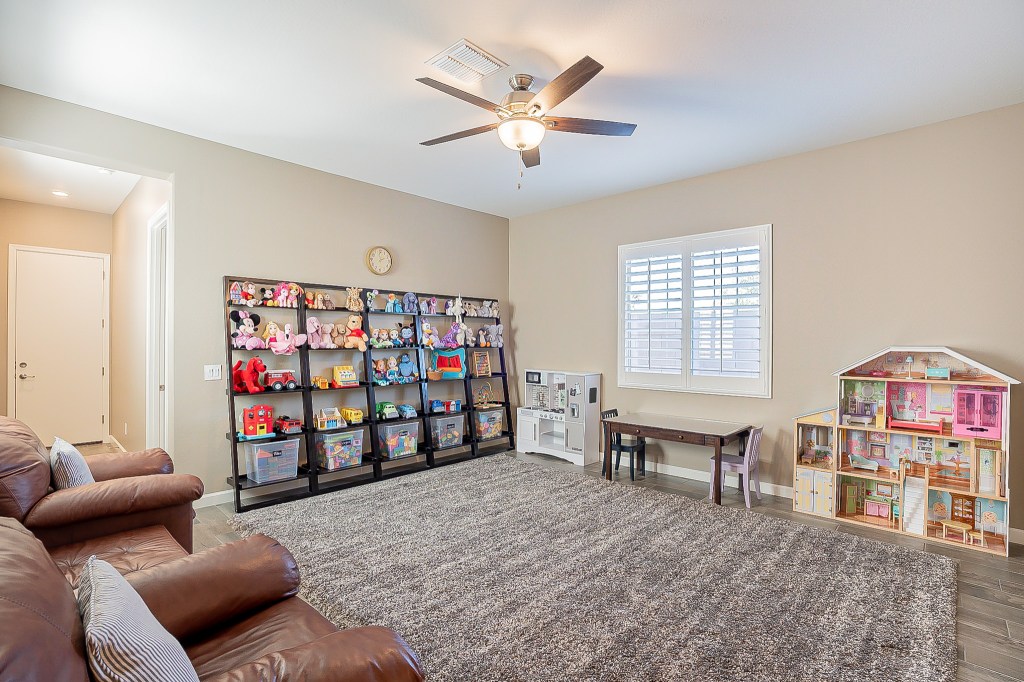
Let’s cut to the chase: home staging is generally a colossal waste of money and time. It’s a masquerade that capitalizes on the psychological vulnerabilities of both sellers and buyers, creating a superficial illusion of perfection that can lead to more headaches than benefits.
First and foremost, the idea that a perfectly staged home will fetch a higher price is a fallacy. In fact, some of my most challenging properties to sell were those that looked like model homes. Buyers are not naive; they can spot an overly staged property from a mile away. When everything looks too perfect, they become skeptical. Instead of thinking about how they can personalize the space to make it their own, they start questioning what might be hidden beneath the glossy veneer. A home that is too immaculate can actually deter potential buyers, making them feel uncomfortable, as if they’re trespassing in someone else’s utopia.
Furthermore, the costs associated with home staging are astronomical. Sellers (and in some agreements the Realtor) are expected to invest in professional stagers, rental furniture, and various decor items, not to mention the ongoing expenses of maintaining this picture-perfect facade throughout the sales process. These expenses can quickly spiral out of control, eating into any potential profit margin. All the while, there’s no guarantee that these investments will pay off in the form of a higher selling price.
Home staging fosters unrealistic expectations among sellers, convincing them that their homes must emulate the picture-perfect abodes featured on the cover of Architectural Digest’s magazine or the flawlessly arranged spaces seen on HGTV to secure a swift sale. This unrelenting pressure inflicts needless stress and financial strain on sellers, compounded by the demanding upkeep required to sustain a showroom-ready appearance while still residing in the home.
Moreover, the time-consuming process of home staging can prolong the sales cycle. Every day a property sits on the market is another day of holding costs, including mortgage payments, property taxes, and maintenance expenses. The longer a property remains unsold, the more money it drains from the seller’s pockets, negating any potential gains from staging.
However, it’s important to acknowledge that there are exceptions. In certain types of homes, such as very large properties or those with awkward floor plans, home staging might be a more reasonable consideration. These homes often present unique challenges that can make it difficult for buyers to visualize how they would use the space. In such cases, strategically staged furniture and decor can help potential buyers better understand the layout and potential of the property.
Final Thought, while home staging may have its place in the real estate market for certain types of properties, it remains a costly illusion in most cases. Sellers should carefully consider their specific situation and property type before deciding to invest in home staging. It’s essential to remember that if a home is priced right and meets the needs of potential buyers, it will sell for top dollar, regardless of how meticulously it’s staged.
Additionally, it’s crucial to acknowledge that every buyer is different. Some might be drawn to a contemporary-staged home, while others may prefer a more Spanish-styled presentation. The truth is, a staged home’s design can be polarizing and even off-putting to certain buyers, underscoring the importance of presenting a neutral and flexible canvas that allows prospective buyers to envision their unique preferences and lifestyle in the space. Ultimately, the key to a successful sale lies in understanding the diverse tastes of potential buyers and providing them with the freedom to imagine the home as their own.














 AriZona Real Estate insider!
Leave a comment