
Selling your land or custom home lot in Scottsdale, Paradise Valley, or anywhere in the state of Arizona is a significant undertaking, and it’s completely normal to approach it with caution. Just keep in mind that if selling aligns with your investment goals for yourself, your family, or your business, it can be a worthwhile endeavor! It’s important to recognize that selling land involves a level of complexity beyond that of selling a home in Arizona. The market dynamics for lots, land, and rural properties differ from the housing market. If you’re prepared to take this step, it’s crucial to approach it intelligently.
To gain a comprehensive understanding of real estate, it is essential to recognize that the primary source of value for any property lies in the land. Land inherently holds and appreciates in value, while the structures or buildings on it tend to depreciate. While there are iconic structures such as the Wrigley Mansion or a Frank Lloyd Wright Home design, and others, it is crucial to note that the overwhelming majority—99.9%—of real estate value is attributed to the land says Juan Pesqueira, Realtor
This comprehensive guide, authored by Juan Pesqueira, Realtor, will assist you in understanding how to sell your land, custom home lot, or rural parcel to maximize your returns. It covers expectations and the essential steps to execute the process successfully.
As a seller, your initial task is to tailor your strategy, tools, and focus specifically for selling land. The duration of this process can vary, depending on numerous factors.
- EXPECTATIONS
Before deciding to list your land, custom home lot, or rural parcel for sale in Scottsdale, Paradise Valley, Phoenix, or anywhere in the State of Arizona, it’s crucial to understand what to expect.
- On average, land takes much longer to sell than a home. Don’t be surprised if a Realtor requests you to sign a yearlong listing contract.
- The “Days on Market” for land, lots, or rural parcels doesn’t carry the same weight as with homes. It’s not unusual to see lots or land remain on the market for 365 to over 1000 days before a sale occurs.
- It’s always best to have your property up for sale to avoid missing out on potential buyers who may not come along frequently.
- Most land or lot transactions are conducted in cash or involve seller carryback.
- Check your emotions at the door; buyers don’t care!
- When a low-ball offer comes in, don’t be surprised, upset, angry, or insulted. Always counter all low offers, even the low-ball ones.
- On the other hand, if a piece of land is priced well or you’ve timed the market right, it can sell quickly. However, for the most part, selling land is a longer process.
- Put yourself in the buyer’s shoes.
For marketing purposes, it is essential to assess the likely buyers for your property and anticipate the questions they might have. Your buyer profile may vary based on the type of property you are selling, including whether the land has been developed, its location, and current market conditions, among other criteria. Are you targeting individuals searching for a lot for a new home, or are you appealing to builders or developers seeking land for their next project? Perhaps your potential buyer is a combination of these or someone entirely different. Different types of buyers may be interested in finished lots, rural acreage, or suburban parcels in a thriving new home market.
Once you’ve identified your likely buyers, adopt their perspective to tailor your message and convey the information they need to know about your property. Have details readily available about schools, shopping, and other nearby amenities. For developable land, be prepared with zoning information and insights from local authorities regarding water and sewer service location and capacity. Each property is unique, so customize your information to suit your specific situation and target audience.
If you lack these details, conduct thorough research. A brief call to the city or zoning department with pertinent questions can provide valuable insights. Being well-prepared and knowledgeable about your lot or land not only facilitates the process for potential buyers but also instills confidence through well-founded answers to their inquiries.
- Have the land or lot ready

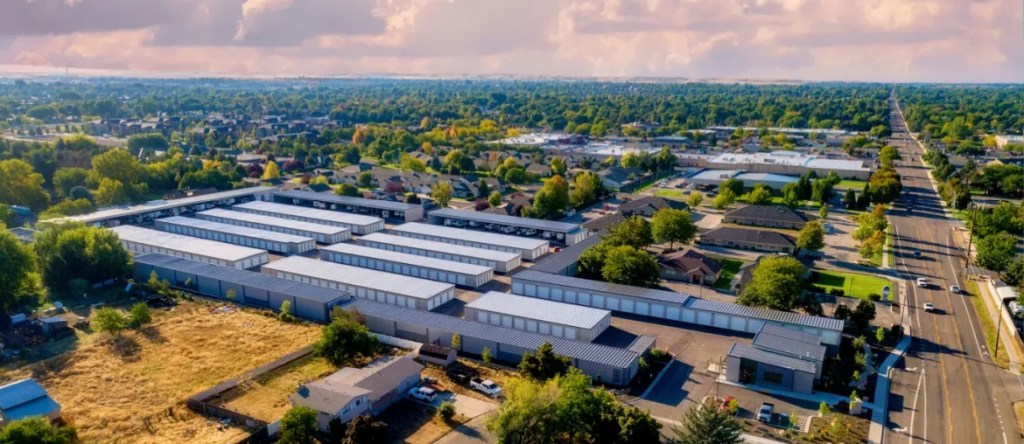
You will never get a second chance to make a first impression. If possible, mow the grass (or remove weeds), clear away trash, and take professional marketing photos of your property when it is looking its best. The best photos come from above, so consider aerial photography that captures not only the site but also the surroundings.
In addition, consider excavation to prepare the land for development. Have blueprints readily available and a builder attached to the project. It’s crucial to do all the groundwork possible for the new builder. Keep in mind that they may not be familiar with every aspect of new development, so providing comprehensive support and information is key
- Set a price tag

There is nothing inherently glamorous about land; it’s essentially a piece of dirt, devoid of emotions. However, pricing plays a pivotal role in attracting potential buyers, and setting the right price for your lot, land, or rural parcel is crucial for success. One of the most significant mistakes sellers make, and subsequently regret, is pricing their property too high. An incorrect price not only deters buyers from inquiring about your property but also leads to extended market time or, in some cases, the property not selling at all.
Pricing land is challenging due to various factors such as the topography (Is the lot flat or on a slope? Does it offer scenic views?), development potential, presence of natural features like washes, and location within a gated community, among others. Land also presents fewer comparable sales to reference.
When assessing comps (wearing my appraiser hat), prioritize sales over active listings. Walk the subject lot, land, or rural parcel, along with the comps, and drive by each comp while investigating the reasons behind the purchase. In areas like Paradise Valley and certain parts of Scottsdale, an older home with significant renovation needs is often better positioned and marketed as land rather than residential. The land in Paradise Valley or Scottsdale holds greater value for a builder, developer, or dream home designer than for a fix-and-flip or end-user buyer. It may be beneficial to consider pricing your property as land, even if a home is present on the site.
At times, sellers must decide between achieving the highest price and potentially selling more quickly. This decision necessitates a comprehensive understanding of the overall land market, the reasons people are buying lots or land in that area, and the identity of these buyers. A skilled real estate agent (Realtor) with expertise in land transactions can greatly assist in navigating this process.
- If you can offer seller financing
The market for lots and land with banks or lenders can be challenging and intricate. Many buyers encounter difficulties in obtaining favorable financing or terms, often requiring a higher-than-expected down payment or qualifying for unfavorable terms such as a high-interest rate, balloon payment, or a substantial sum down.
Seller financing provides an alternative approach where you, as the seller, essentially become the bank. In the event the buyer fails to make payments, one option is to pursue foreclosure, resulting in you reclaiming the property and retaining their down payment. It’s crucial to consult with a real estate attorney and conduct thorough due diligence before considering this route.
- Tell a story… with Signage.
Effective property signs can convey valuable information about the lot or land. Consider adding a custom rider with property statistics, such as acreage, zoning (R-43 or commercial), readiness for construction, or explore creative options like displaying a website where potential buyers can access all the relevant information.
- Reach out to your neighbors
Your neighbors could be potential buyers, so consider asking them if they would be interested. Perhaps your neighbor is concerned about losing some of their views, and your custom home lot may impact that if a builder purchases it. Alternatively, your neighbor might be interested in expanding their parcel or acquiring additional land. Given their familiarity with the area, involving neighbors can be a valuable starting point for both the seller and the Realtor. Additionally, if your neighbor expresses interest in purchasing the land, you might not need a Realtor for the transaction.
- Hire a Realtor
A land Realtor or any experienced Realtor with land expertise serves as more of an advisor or consultant. A Realtor, such as I (Juan Pesqueira), will guide you through all the steps above and below. They/I will assist you in understanding the market, setting a price, and marketing your land to the right buyers. A Realtor handles all the legal paperwork, escrow, negotiations, and expectations. They/I manage everything from pre-listing to listing, escrow, paperwork, and much more. Investing 5 – 10% of the transaction value is worth every penny; this is a complex transaction that requires time and experience.”
- Marketing
The land, lot, and rural market is relatively small but with a substantial inventory. There are only a handful of online and offline (old-school approaches) platforms to market the property. Once you gather all your property facts (zoning, setbacks, buildable size, etc.), take professional aerial photos, post a sign (which tells a story), create a brochure, and sign the listing agreement, it’s time to package it all into a website for distribution.
Online Marketing: As a Realtor, I’ll share my perspective on marketing. I would post on ARMLS, Realtor.com, Trulia.com, blog on your business website, and post online daily. For large residential or commercial parcels, one should consider websites like LoopNet or CoStar. Other websites such as LandWatch.com, LandsOfAmerica.com, LandFlip.com, and LandAndFarm.com are top sites for land, lots, rural, and farm sales. Online marketing is incredibly powerful, and if done correctly, it will result in a sale.
Offline or, as I call it, Old School Marketing: This depends, so let’s say you have land zoned for a custom home. Speaking to other agents/brokers who work in those areas, talking to builders, attending broker tours, and engaging with neighbors works. If you have a commercial lot, then networking at commercial agent/broker meetings is effective, as is talking to other business owners. Old-school marketing is all about networking with agents, brokers, and buyers. Shake hands, make connections (okay, maybe not kiss babies), and engage socially.
Marketing will find your buyer, or your buyer will find the marketing.
- Have Fun, work with (not against) your agent, and enjoy
Your property holds potential, and it’s time to uncover its true value! Whether (a) you’re ready to make a move, (b) curious about the market value of your property, or (c) exploring your options, we have an offer you can’t afford to miss.
Take advantage of our FREE property price analysis and consultation. Join me for a confidential meeting (or a phone call) to discover the current market price of your property and gain insights into the broader market trends. This service comes with absolutely NO CHARGE, and there’s NO OBLIGATION to use our services. We not only encourage it, but we also welcome anyone who’s simply curious about their property’s value and the dynamic market.
To schedule your free consultation, reach out to Juan Pesqueira – Attorneys Realty at 480.458.8007 (This cell doesn’t have voicemail, so if I’m unable to answer, please leave a detailed message). You can also call my office at 480.767.6900 or send me an email at Pesqueira2@cox.net. Uncover the potential of your property and make informed decisions with us!












 AriZona Real Estate insider!
Leave a comment