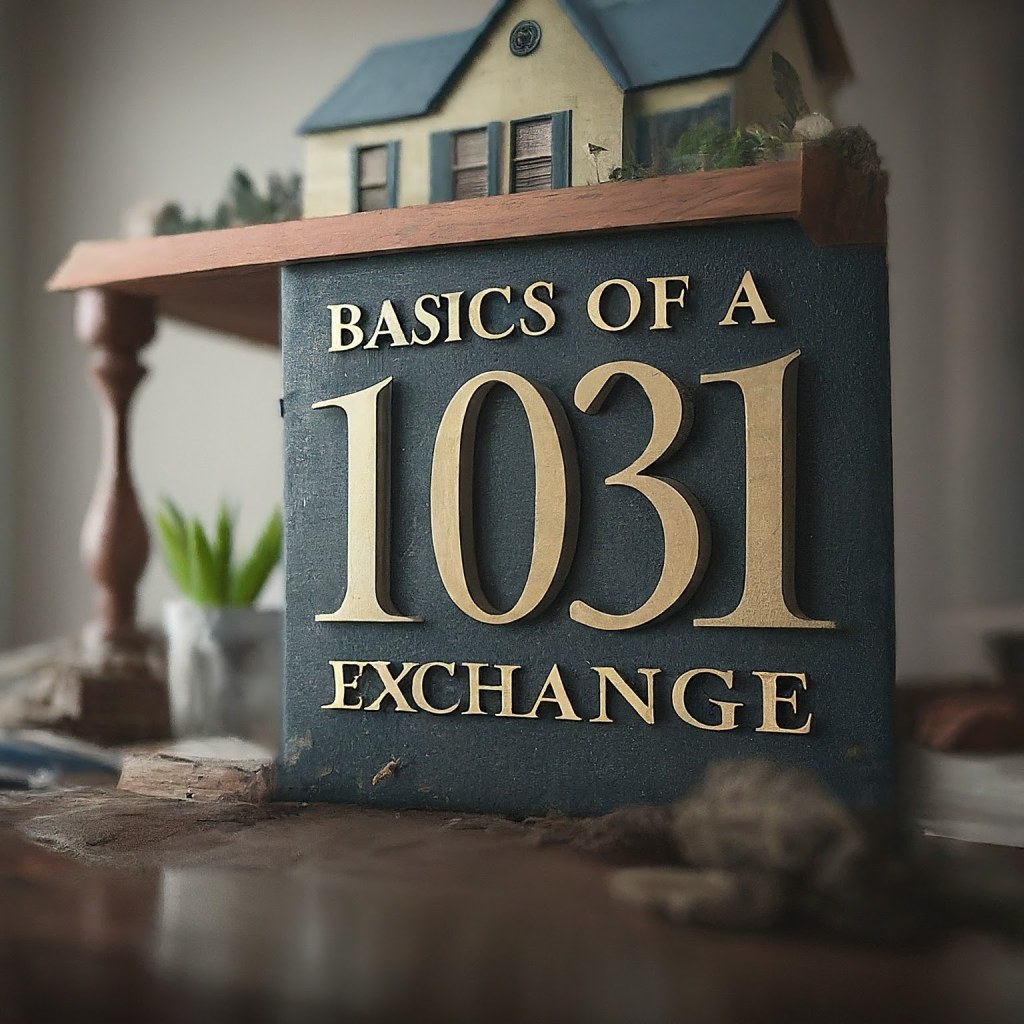
When venturing into real estate investing, you’ll often hear about a “1031 exchange.” This powerful tool can significantly benefit property investors by allowing them to defer taxes and grow their portfolios more effectively. If you’re new to this concept, don’t worry—this guide will break down the basics and give you a clear understanding of how a 1031 exchange works, why it matters, and specific insights into how it applies to the Phoenix-Scottsdale-Mesa area real estate market.
What is a 1031 Exchange?
A 1031 exchange, also known as a like-kind exchange, is a tax-deferral strategy under Section 1031 of the U.S. Internal Revenue Code. It allows real estate investors to sell a property and reinvest the proceeds into a new, similar property while deferring capital gains taxes. This can potentially save you a lot of money and help you grow your investments faster.
Why Use a 1031 Exchange?
- Tax Deferral: The most significant benefit of a 1031 exchange is the ability to defer capital gains taxes. Instead of paying taxes on the profit from a sale, you can reinvest the full amount into a new property.
- Increased Buying Power: By deferring taxes, you can use more of the sale proceeds for the next investment, giving you more buying power to acquire potentially better or more valuable properties.
- Portfolio Growth: Continuously using 1031 exchanges can help you build a larger and more diversified real estate portfolio over time, without being bogged down by taxes on each transaction.
Basic Requirements of a 1031 Exchange

While the benefits are compelling, there are specific rules and requirements you must follow to qualify for a 1031 exchange:
- Like-Kind Property: The properties exchanged must be of like-kind, meaning they must be used for business or investment purposes. For residential investors in Phoenix-Scottsdale-Mesa area, this could mean exchanging single-family homes, multi-family units, or even rental properties. Commercial investors might exchange office buildings, retail spaces, or warehouses.
- Investment or Business Use: Both the old and new properties must be held for productive use in a trade or business or for investment purposes, not for personal use.
- 45-Day Identification Period: After selling your original property, you have 45 days to identify up to three potential replacement properties.
- 180-Day Exchange Period: You must close on the new property within 180 days of the sale of the original property.
- Qualified Intermediary: You cannot directly receive the proceeds from the sale. A qualified intermediary (QI) must hold the funds and handle the transaction.
Phoenix-Specific Considerations
Phoenix metro offers a dynamic real estate market with a range of opportunities, from residential developments to commercial properties. Here are some key local factors to consider:
Local Market Trends
Residential Market
- Strong Demand for Rentals: Phoenix’s population growth has spiked the demand for rental properties. Multi-family units, single-family rentals, and condominiums are in high demand, making them attractive options for a 1031 exchange.
- Urban and Suburban Growth: Areas like downtown Phoenix, Arcadia, and Roosevelt Row are booming with new developments. Suburban regions such as Chandler, Gilbert, and Peoria also offer great potential due to their growing residential communities and good schools.
- Investment Opportunities: Investors can find opportunities in single-family homes, duplexes, and multi-family properties. Phoenix’s diverse neighborhoods provide various options to suit different investment strategies, whether you prefer long-term rentals or short-term vacation rentals.
Commercial Market
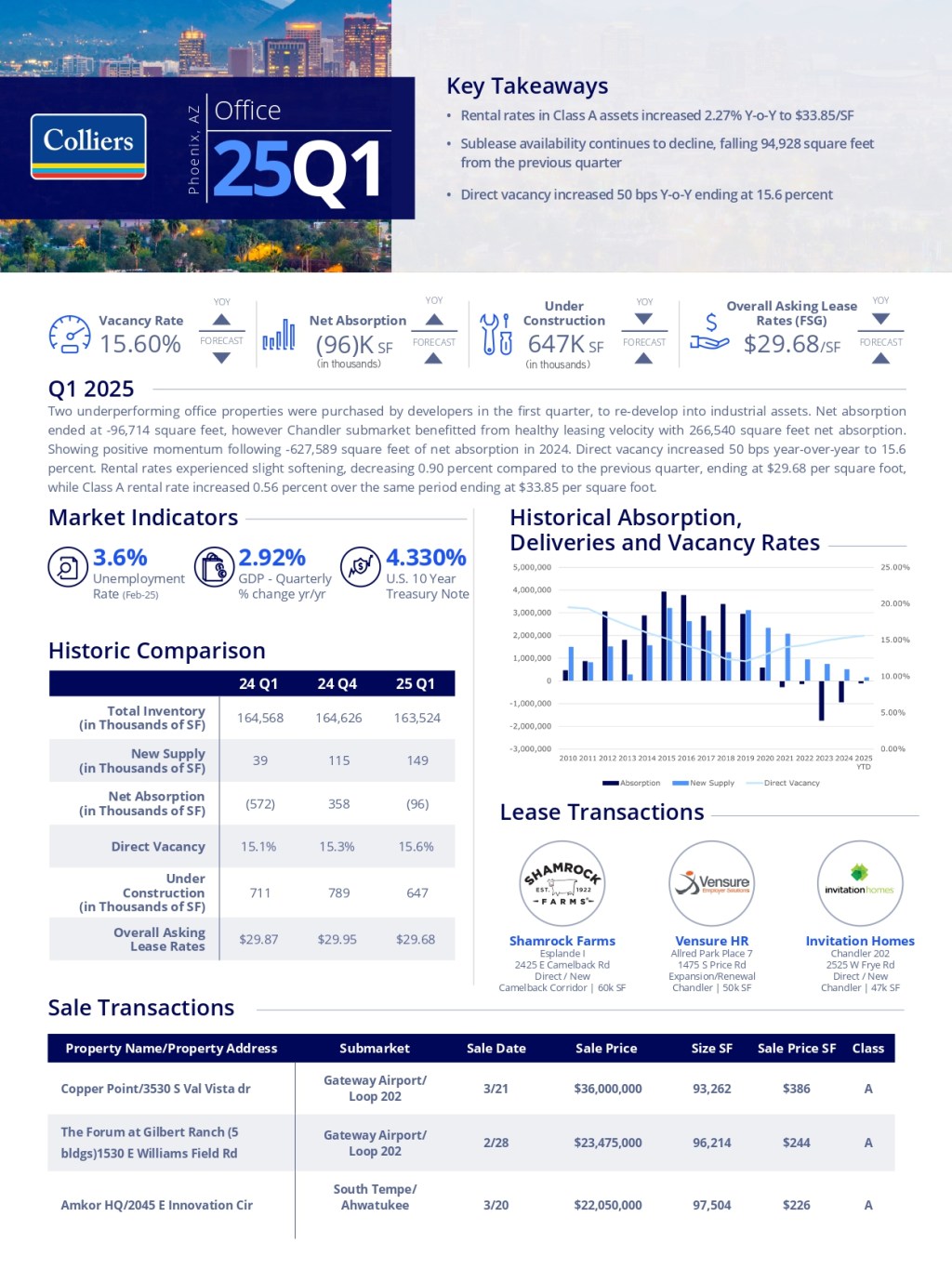
- Rising Commercial Development: Downtown and Midtown Phoenix are seeing an influx of commercial real estate developments, including office buildings, retail spaces, and mixed-use developments. This makes them ideal for investors looking to exchange into commercial properties.
- Strong Economic Growth: The city’s economy is expanding, supported by industries such as technology, healthcare, and manufacturing. This growth drives demand for commercial spaces, making office buildings, retail centers, and industrial properties attractive for a 1031 exchange.
- Suburban Commercial Spaces: As residential areas grow, so does the need for suburban commercial developments like shopping centers, restaurants, and small office complexes. Investing in these areas can be a strategic move.
Regulatory Considerations
- Local Zoning Laws: Phoenix has diverse zoning regulations affecting property use. Ensure the properties you exchange comply with local zoning laws and are suitable for your intended use, whether for residential or commercial purposes.
- Building Permits and Codes: Understand Phoenix’s building permits and codes, especially if you plan to invest in properties requiring renovation or development. Compliance with these regulations is crucial to avoid legal issues.
- Property Taxes: Phoenix’s property tax rates vary depending on the area and property type. Factor these taxes into your evaluation of potential replacement properties to ensure they align with your investment budget.
Market Dynamics
- Economic Drivers: Phoenix’s economy, bolstered by a growing job market, attracts new residents and businesses, increasing demand for both residential and commercial properties. Keep an eye on these economic drivers as they can influence property values and rental rates.
- Climate Considerations: The hot climate in Phoenix can impact property maintenance and utility costs. Ensure properties you consider are well-suited for the local climate, particularly regarding energy efficiency and durability.
- Growth Areas: Track areas experiencing significant growth or redevelopment, such as the Central Corridor and regions along the light rail. These areas can offer lucrative opportunities for investment through 1031 exchanges.
Step-by-Step Guide to a 1031 Exchange in Phoenix-Scottsdale-Mesa area
Here’s a simplified outline of how a typical 1031 exchange works, with a focus on both residential and commercial properties in Phoenix:
- Sell Your Current Property: Find a buyer and sell your property, ensuring that the sale meets the requirements for a 1031 exchange.
- Identify Replacement Properties: Within 45 days, identify up to three potential properties you’re interested in purchasing. Focus on high-growth areas and check local market conditions.
- Use a Qualified Intermediary: The QI will hold the proceeds from your sale and use them to purchase the new property on your behalf.
- Close on the New Property: Complete the purchase of the new property within 180 days of the sale of the original property. Ensure the property complies with local regulations and market dynamics.
- File the Proper Paperwork: Make sure all the necessary tax forms and documentation are filed to report the 1031 exchange correctly. Work with a local tax advisor to navigate any specific state or local considerations.
Using a Single Real Estate Agent for a Smoother 1031 Exchange
As a real estate agent with expertise in 1031 exchanges in Phoenix-Scottsdale-Mesa area, I can assist with both the sale of your original property and the purchase of your replacement property – How I sold 100’s of 1031 exchanges in Phoenix, Arizona. Using one agent offers several benefits:
- Streamlined Communication: Having a single point of contact ensures that all information about the transaction is centralized, reducing the risk of miscommunication between multiple parties.
- Consistent Strategy: I can help develop a cohesive strategy for selling your current property and identifying replacement properties that align with your investment goals.
- Coordinated Timelines: Managing the 45-day identification and 180-day exchange deadlines can be challenging. I can help coordinate these timelines to ensure compliance and a smooth transition.
- Expert Guidance: With my knowledge of both the selling and buying processes, I can offer insights into market trends, property values, and potential investment opportunities in Phoenix, making your 1031 exchange more effective.
Top FAQs About 1031 Exchanges in Phoenix-Scottsdale-Mesa area
1. Can I use a 1031 exchange for personal property?
No, 1031 exchanges are only for properties held for business or investment purposes, not for personal use.
2. Do the properties have to be in the same state?
No, the properties can be located in different states, as long as they are within the United States and meet the like-kind requirement.
3. What happens if I miss the 45-day or 180-day deadlines?
Missing these deadlines can disqualify the exchange, making the capital gains immediately taxable.
4. Can I do a partial 1031 exchange?
Yes, you can reinvest a portion of the proceeds and pay taxes on the remaining amount. This is known as a partial 1031 exchange.
5. Is there a limit to how many times I can do a 1031 exchange?
No, there’s no limit to the number of 1031 exchanges you can perform, allowing continuous tax deferral as long as the exchanges meet IRS requirements.
6. Can I use a 1031 exchange for a vacation rental?
Yes, if the property is used for investment or rental purposes and not primarily for personal use.
7. What is a reverse 1031 exchange?
A reverse 1031 exchange allows you to purchase the replacement property before selling the original property. It involves more complexity and requires careful planning.
8. How does a 1031 exchange affect estate planning?
A 1031 exchange can be part of an estate planning strategy to defer taxes and potentially pass on a stepped-up basis to heirs, but it’s important to consult with an estate planning expert for detailed advice.
If you’re considering a 1031 exchange in Phoenix or need assistance with buying or selling properties, feel free to reach out. I can guide you through the entire process, ensuring a smooth and successful transaction.
Understanding the basics of a 1031 exchange can help you make informed decisions and take advantage of opportunities to enhance your real estate investments in Phoenix. Happy investing! Arizona. Happy investing!
Disclaimer
I am a licensed real estate agent sharing information based on my professional experience in the real estate market. The content provided here is intended for informational purposes only and should not be construed as legal, tax, or financial advice.
For any questions, concerns, or specific advice regarding the legal, tax, or financial implications of a 1031 exchange or any real estate transaction, I strongly recommend consulting with a qualified attorney or tax accountant. Their expertise will ensure that your decisions are well-informed and compliant with current laws and regulations.
If you need assistance with buying or selling property, please feel free to contact me. However, for specialized advice on the intricacies of 1031 exchanges or other tax-related matters, please seek the guidance of a professional in those fields.











 AriZona Real Estate insider!
Leave a comment